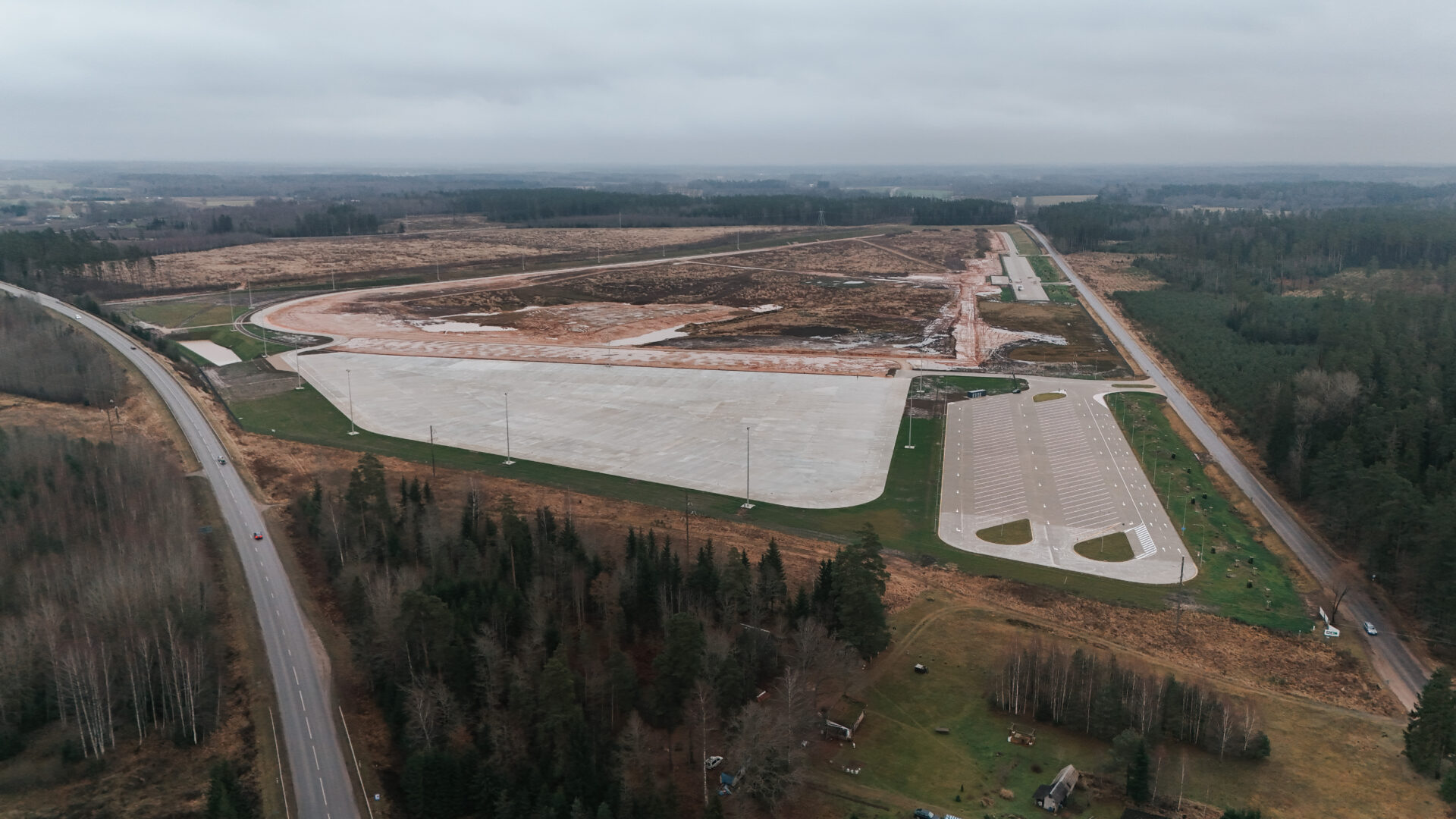
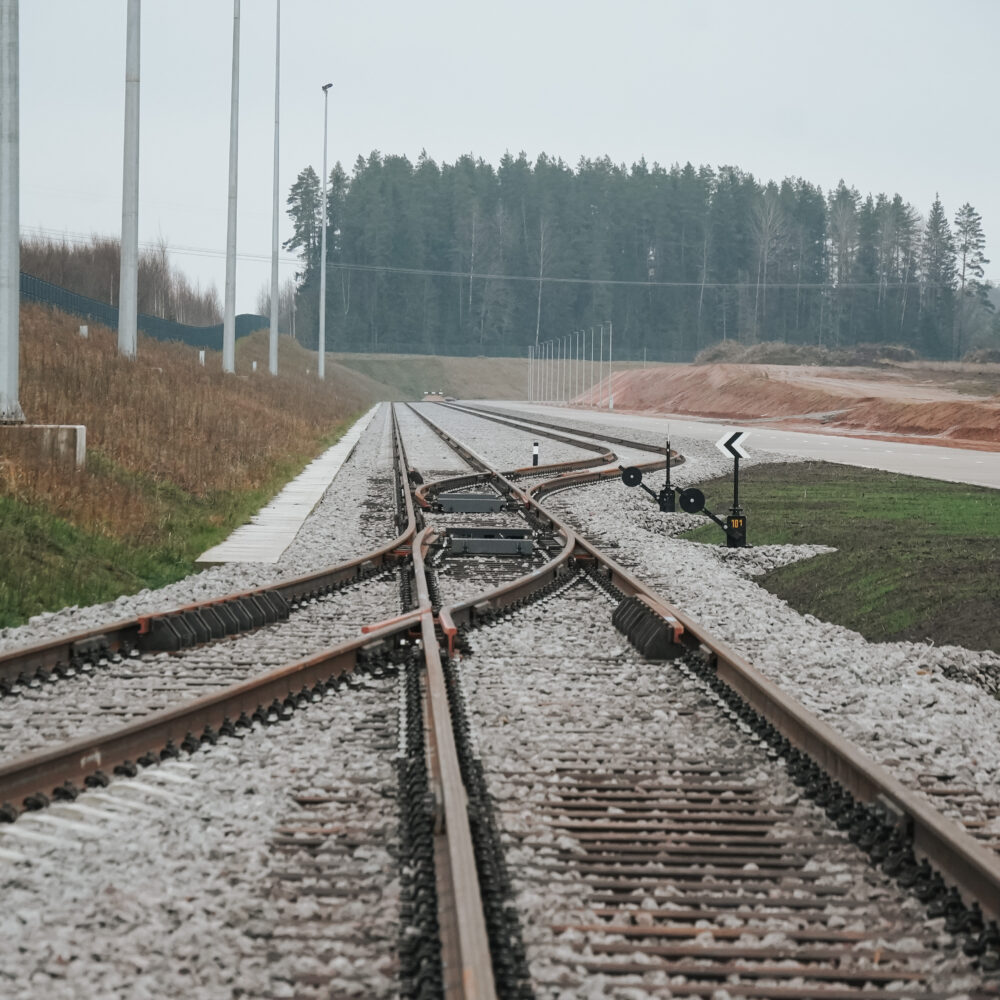
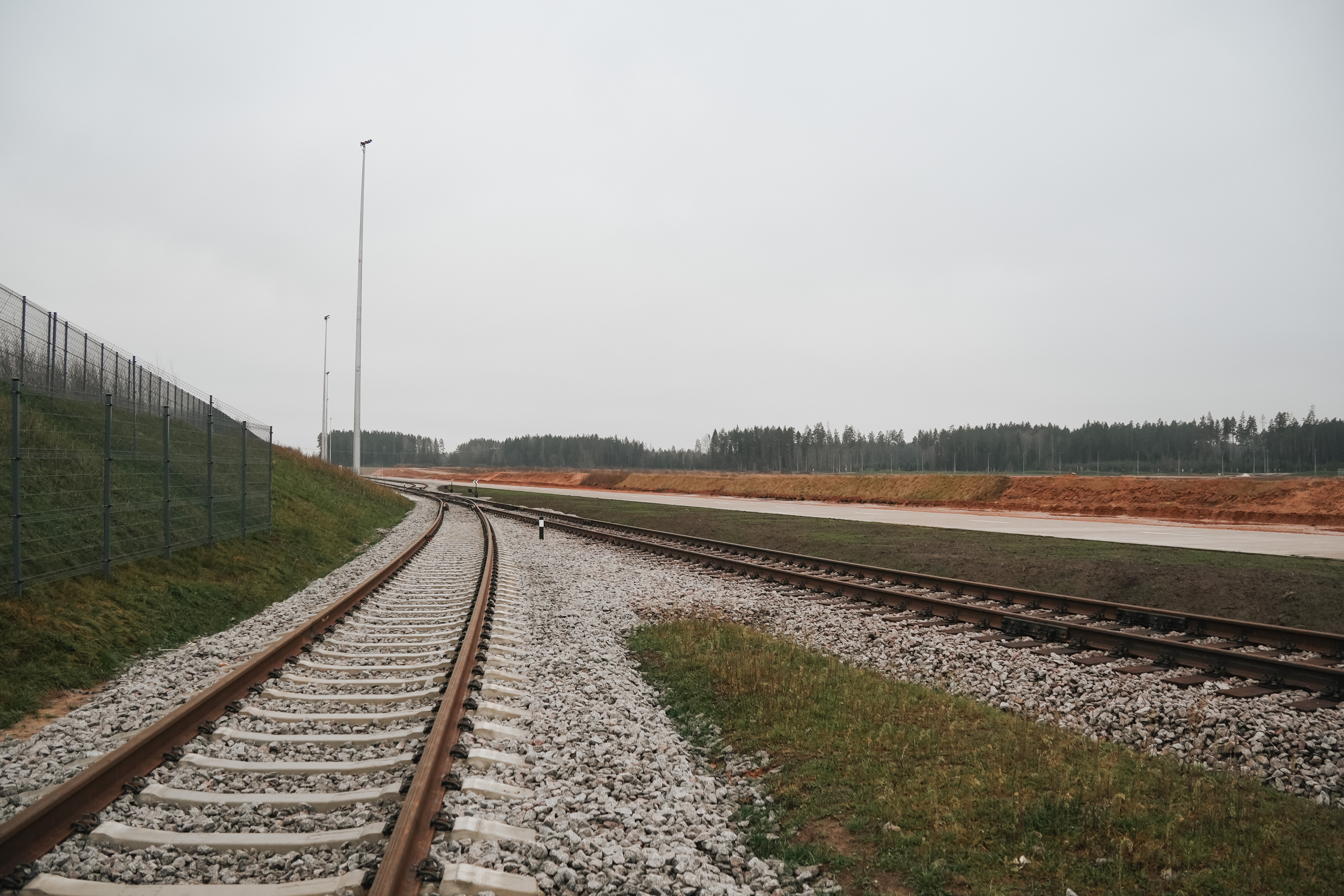
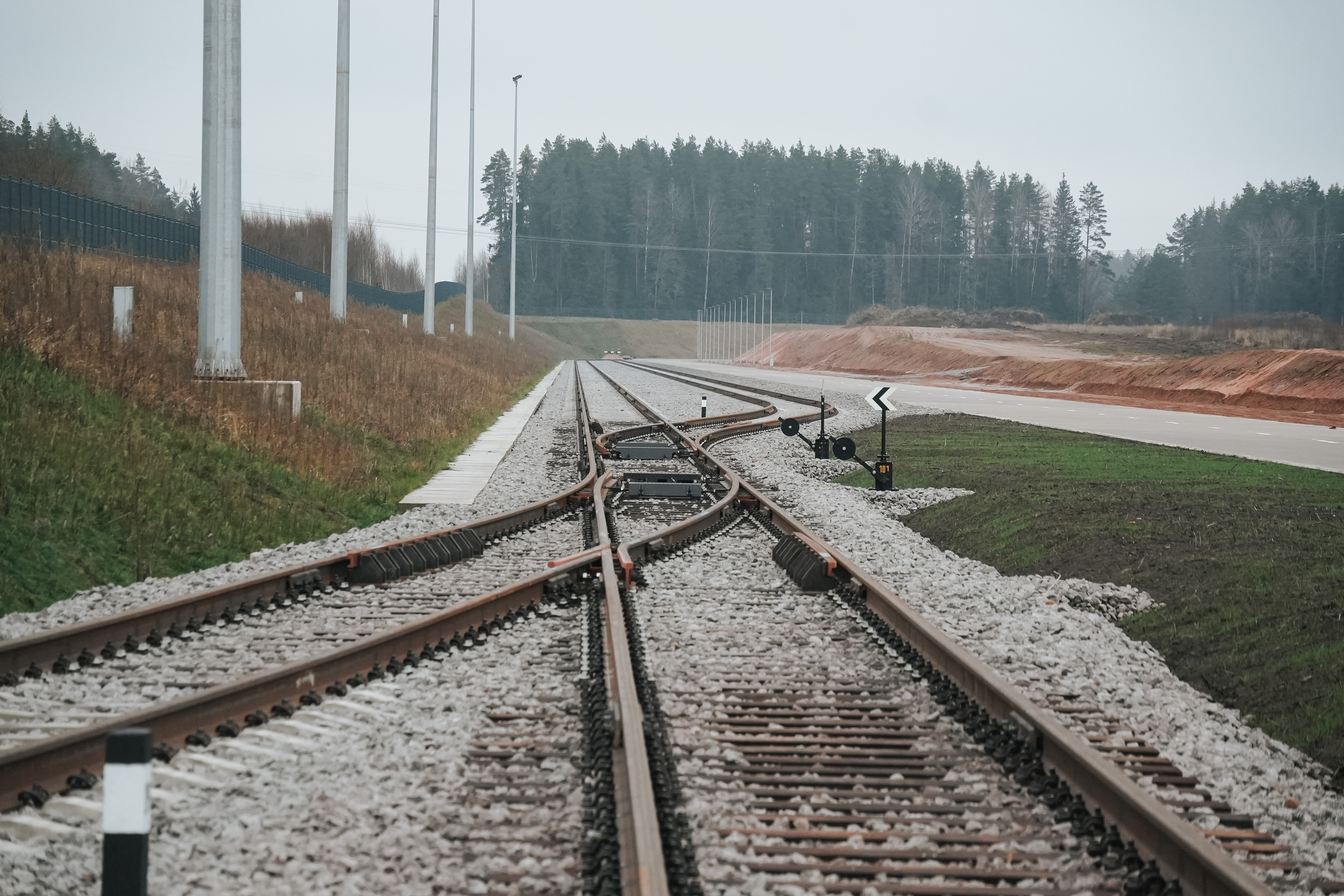
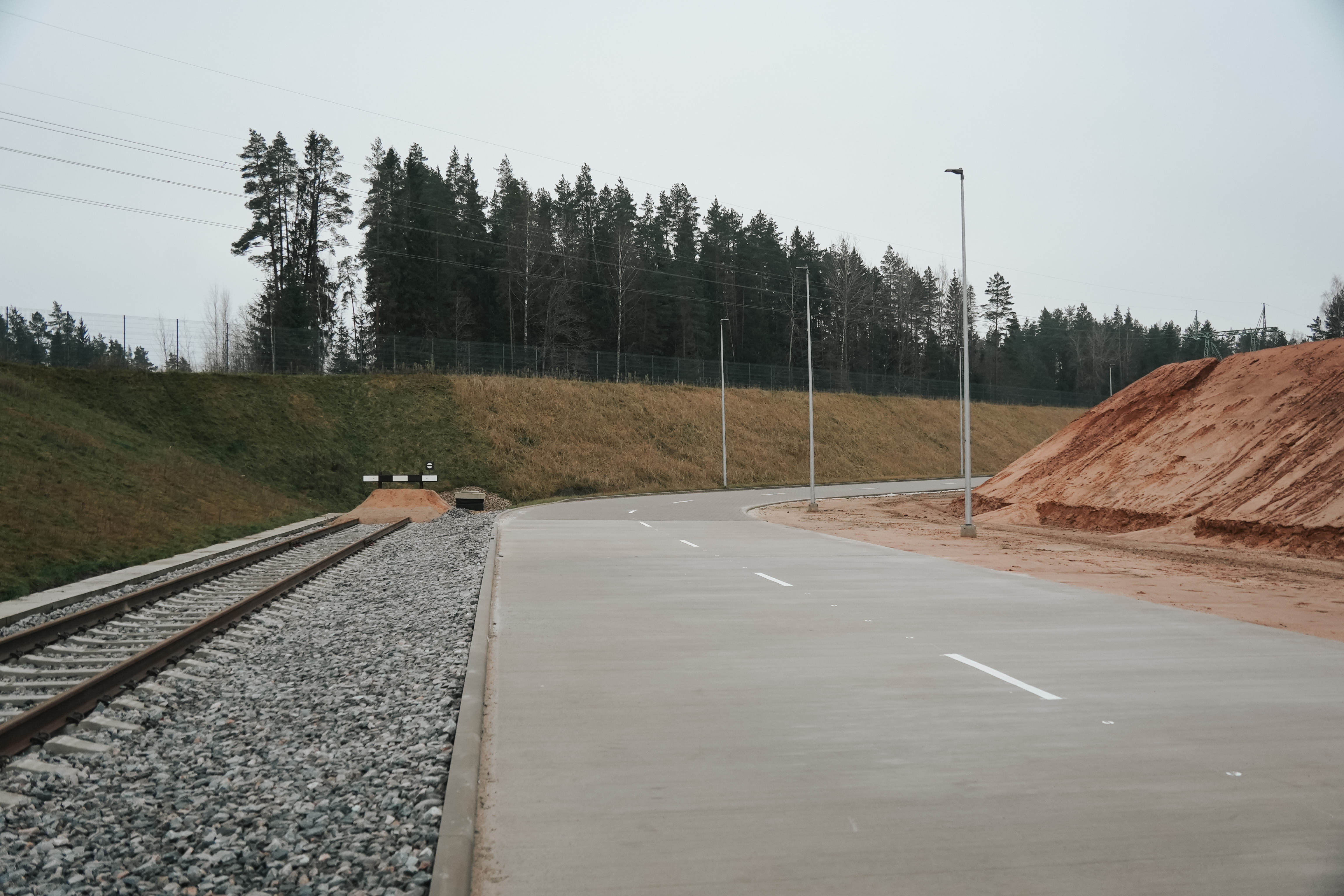
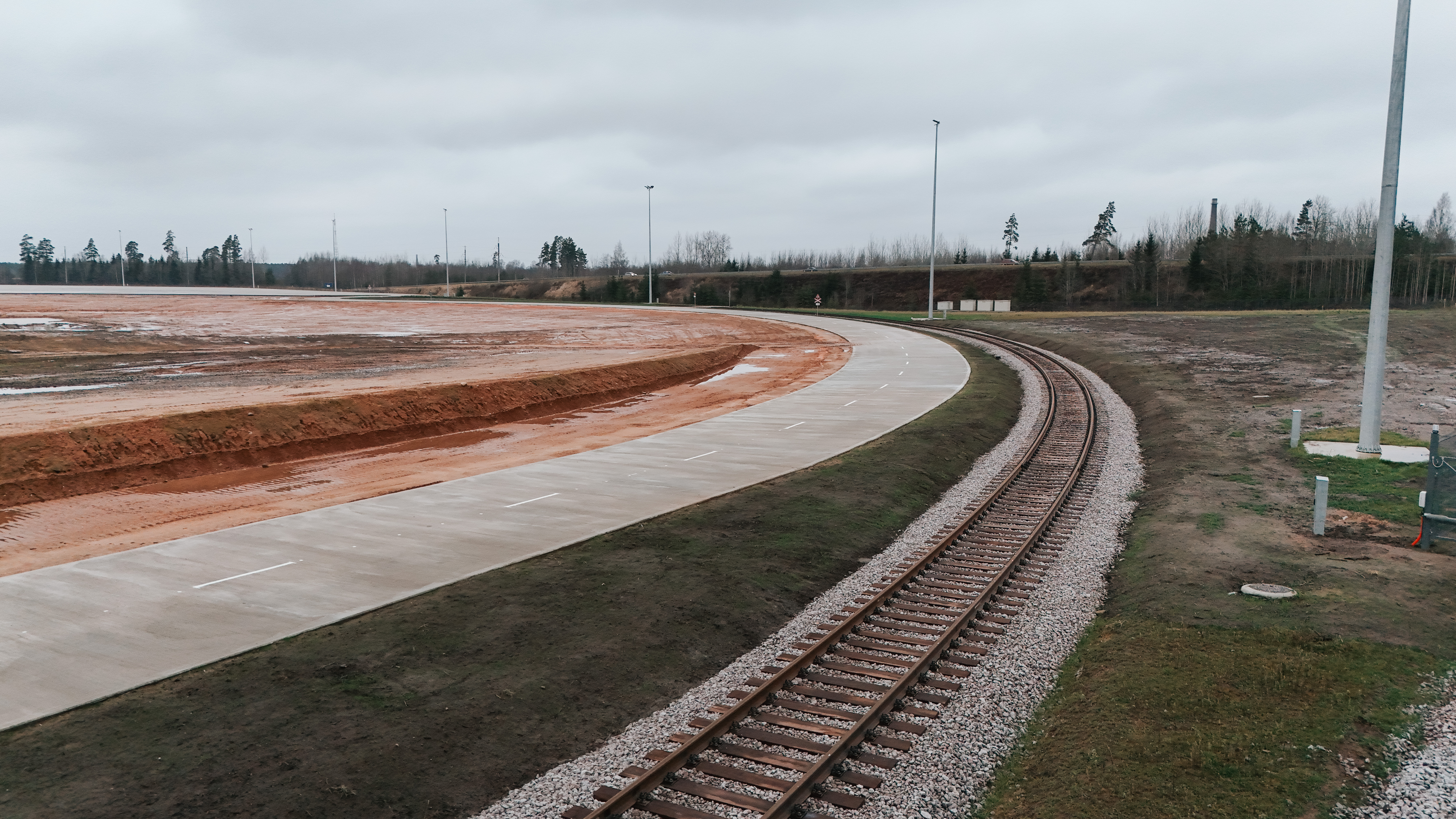
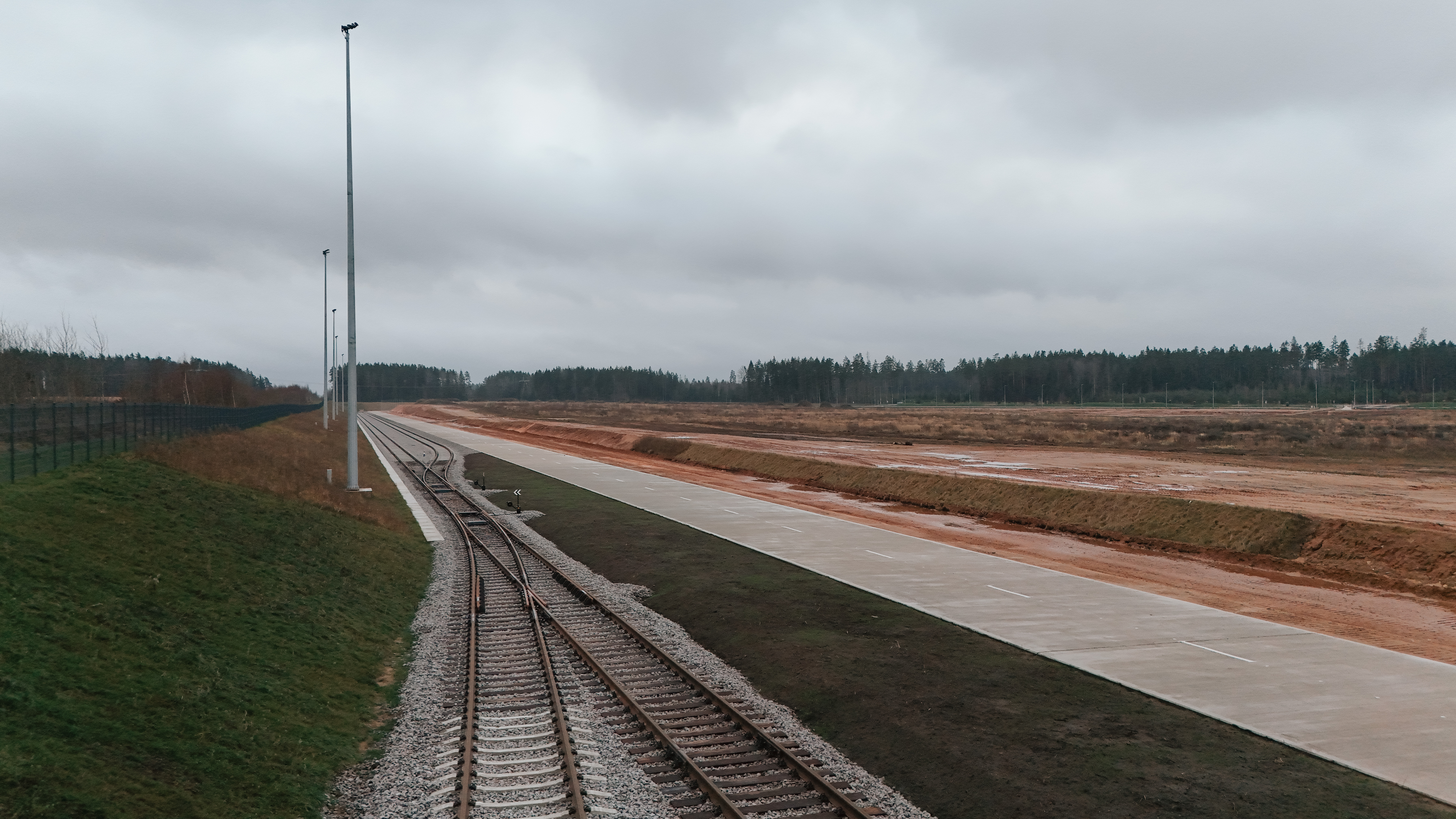
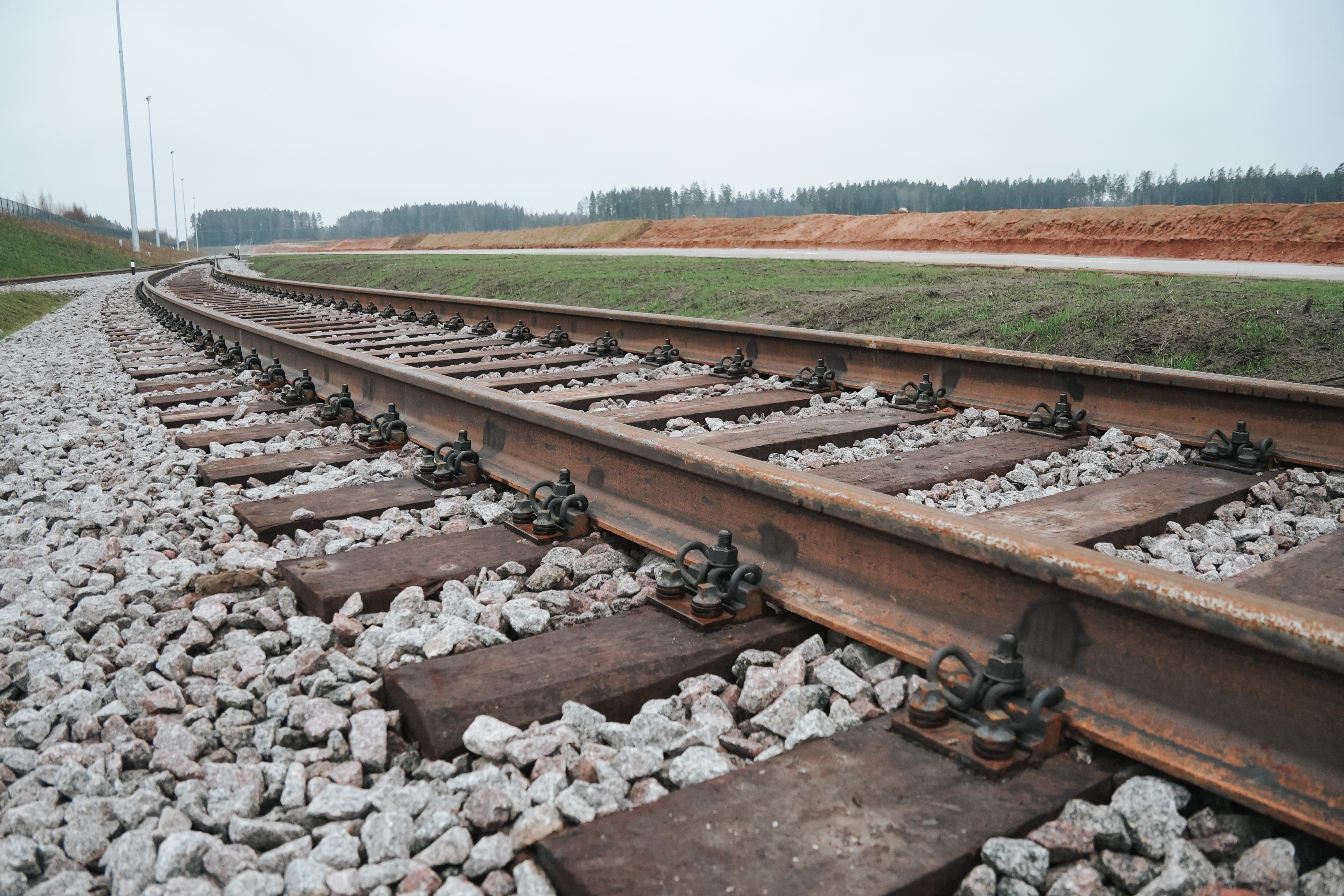
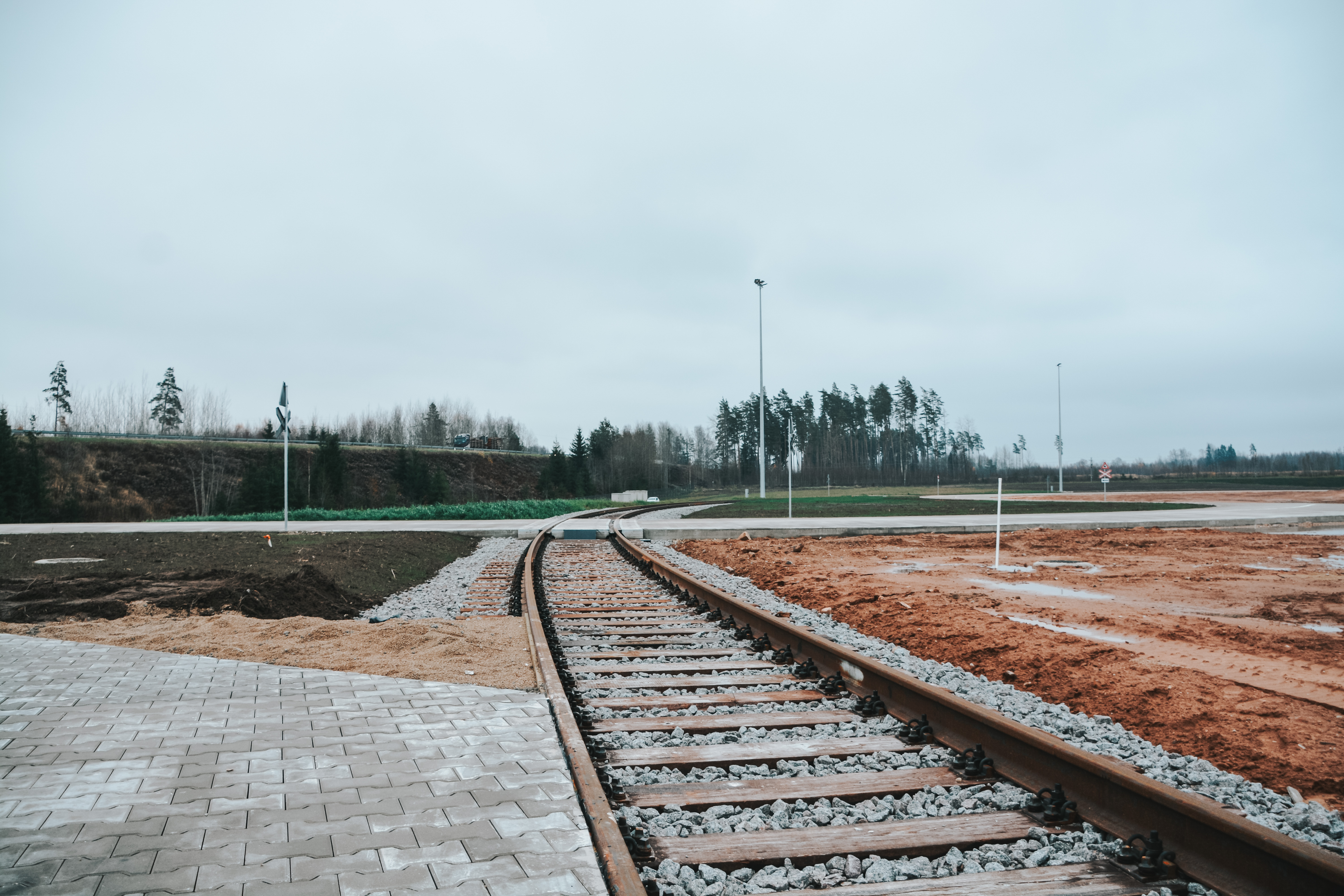
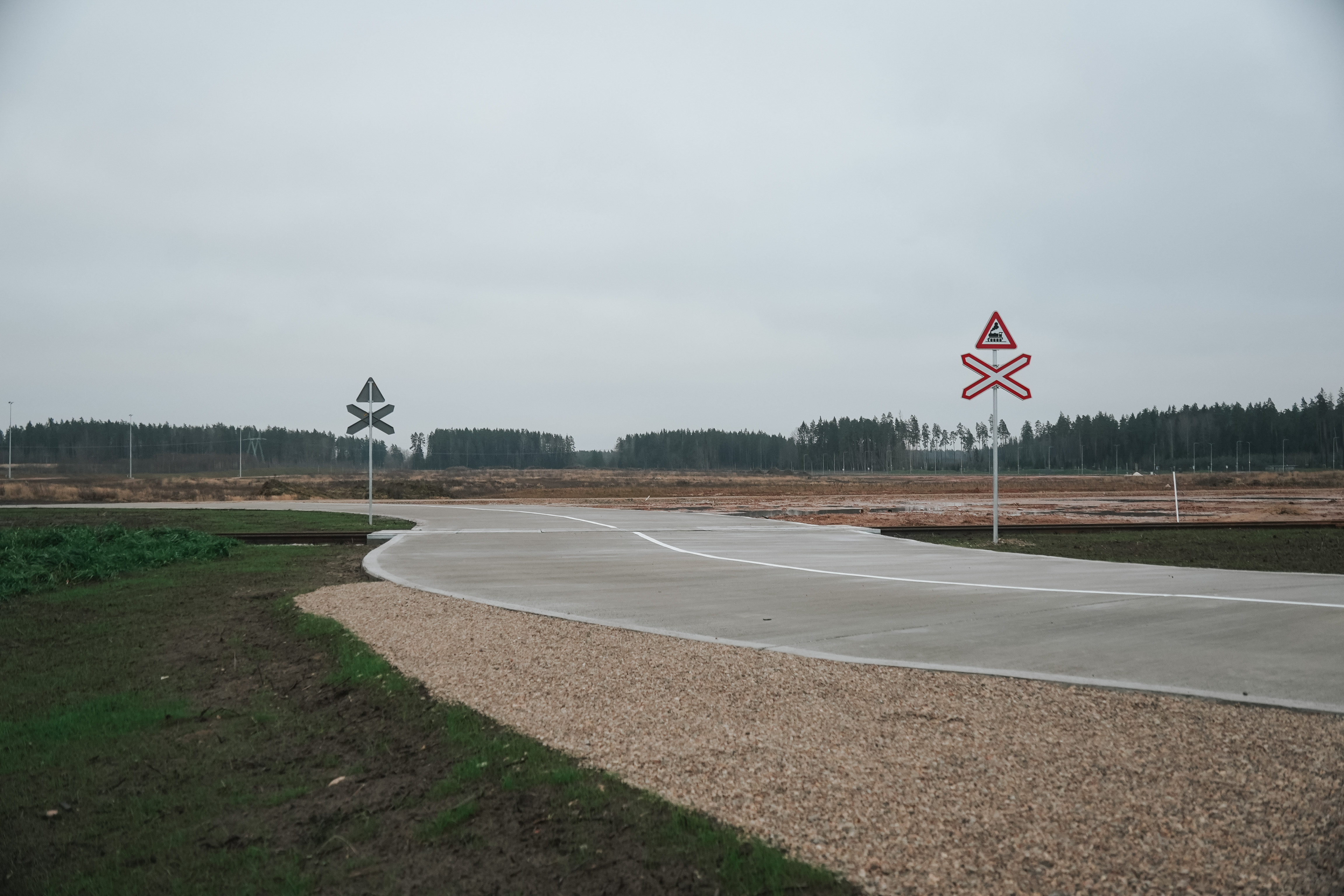
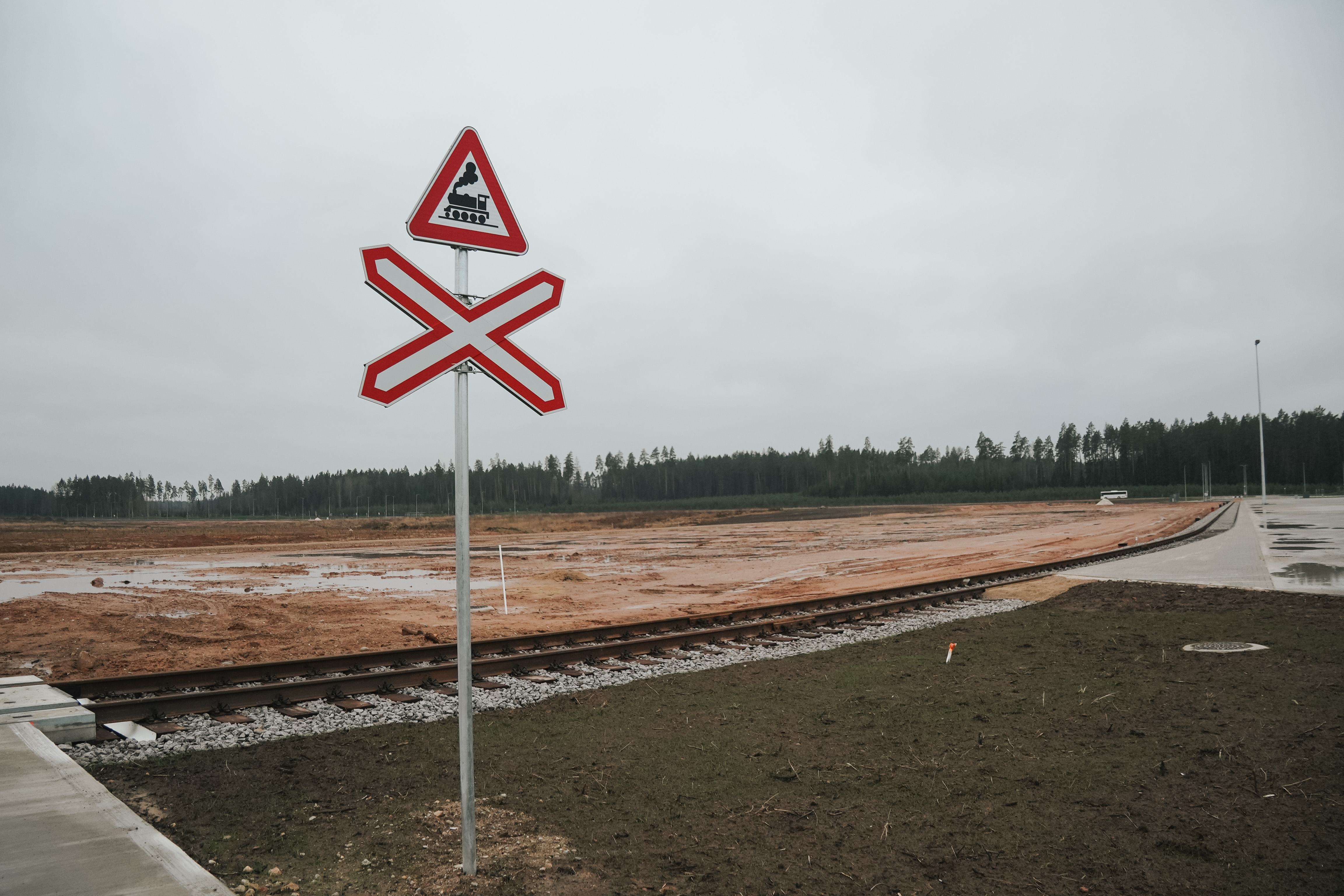
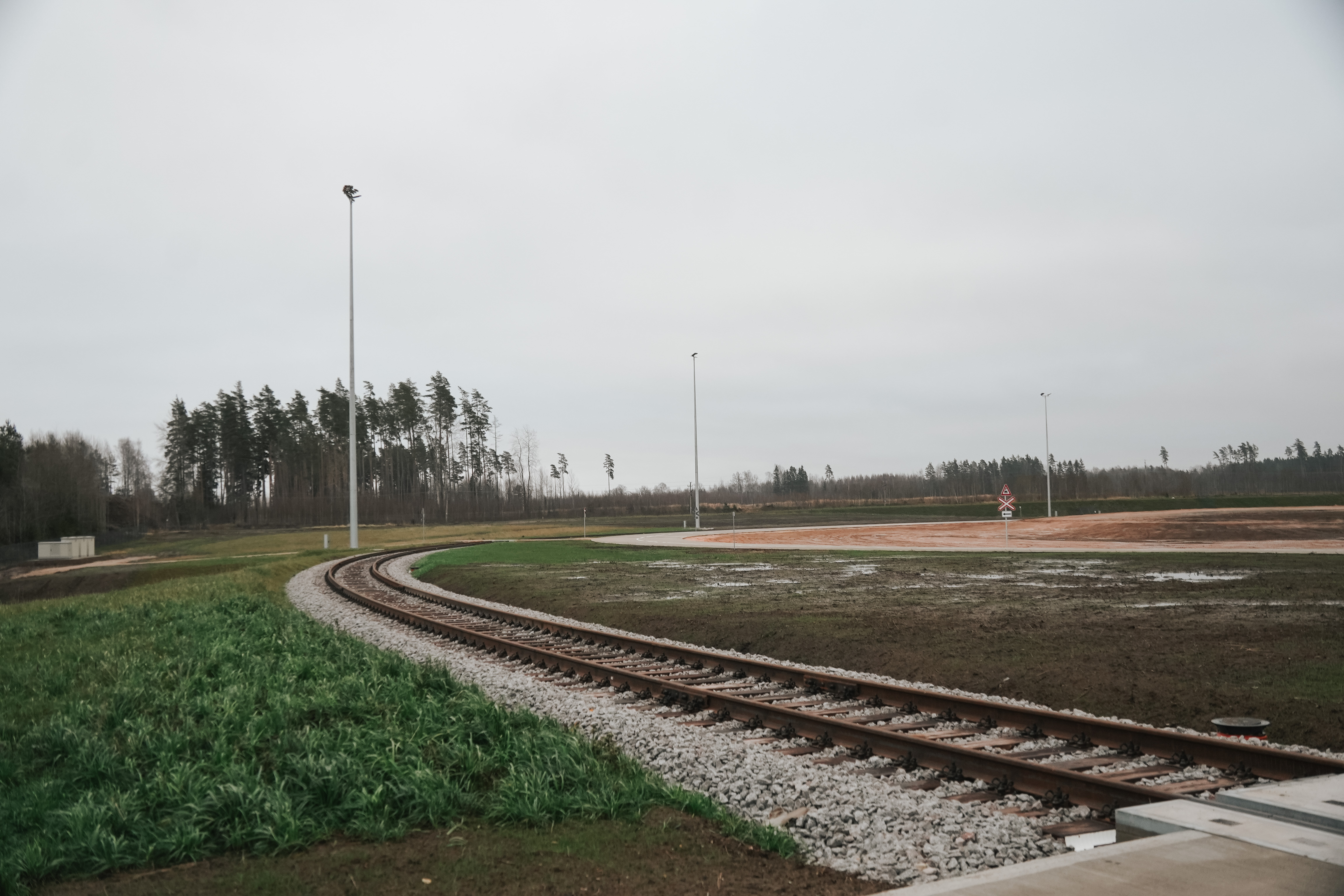
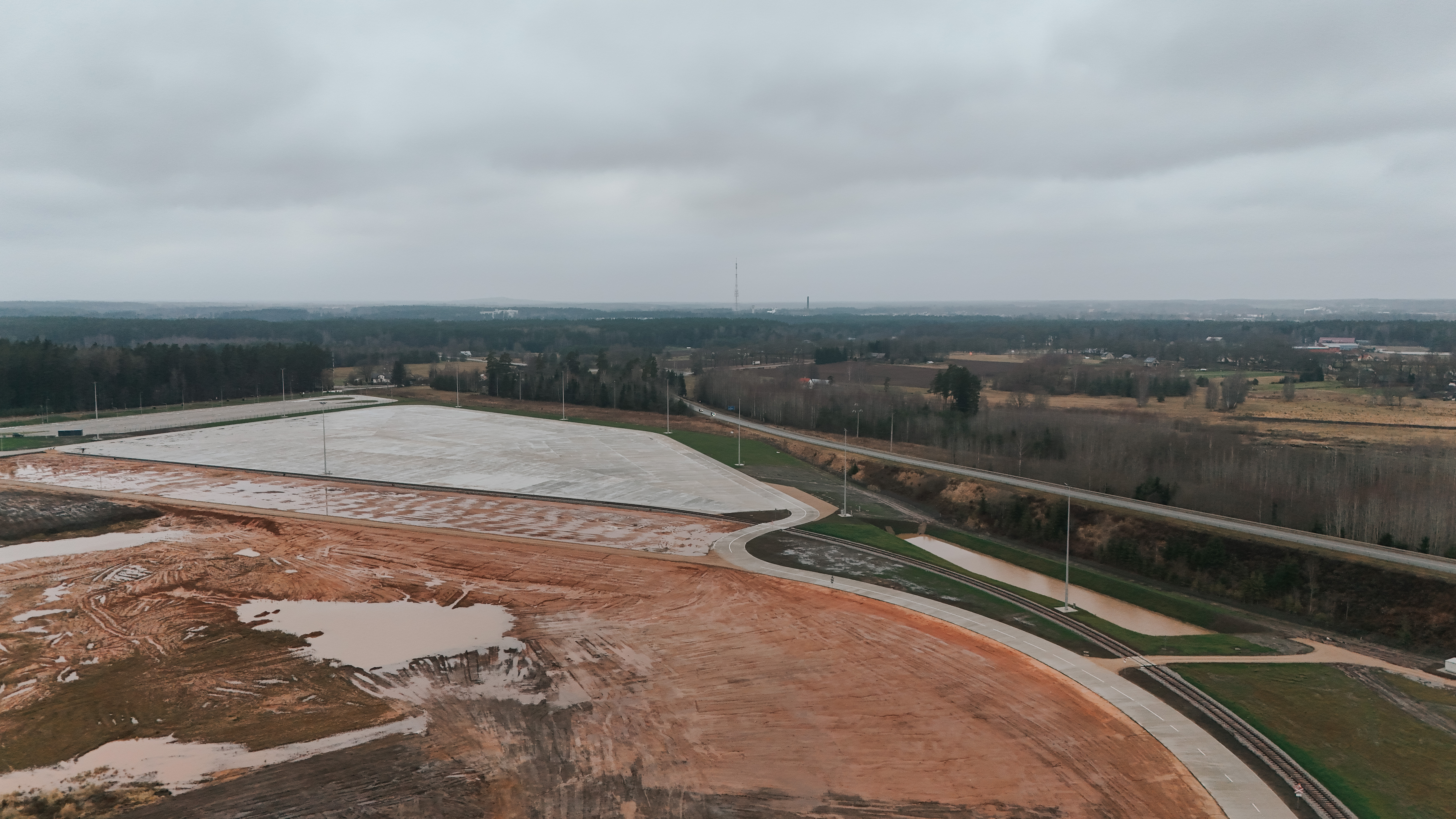
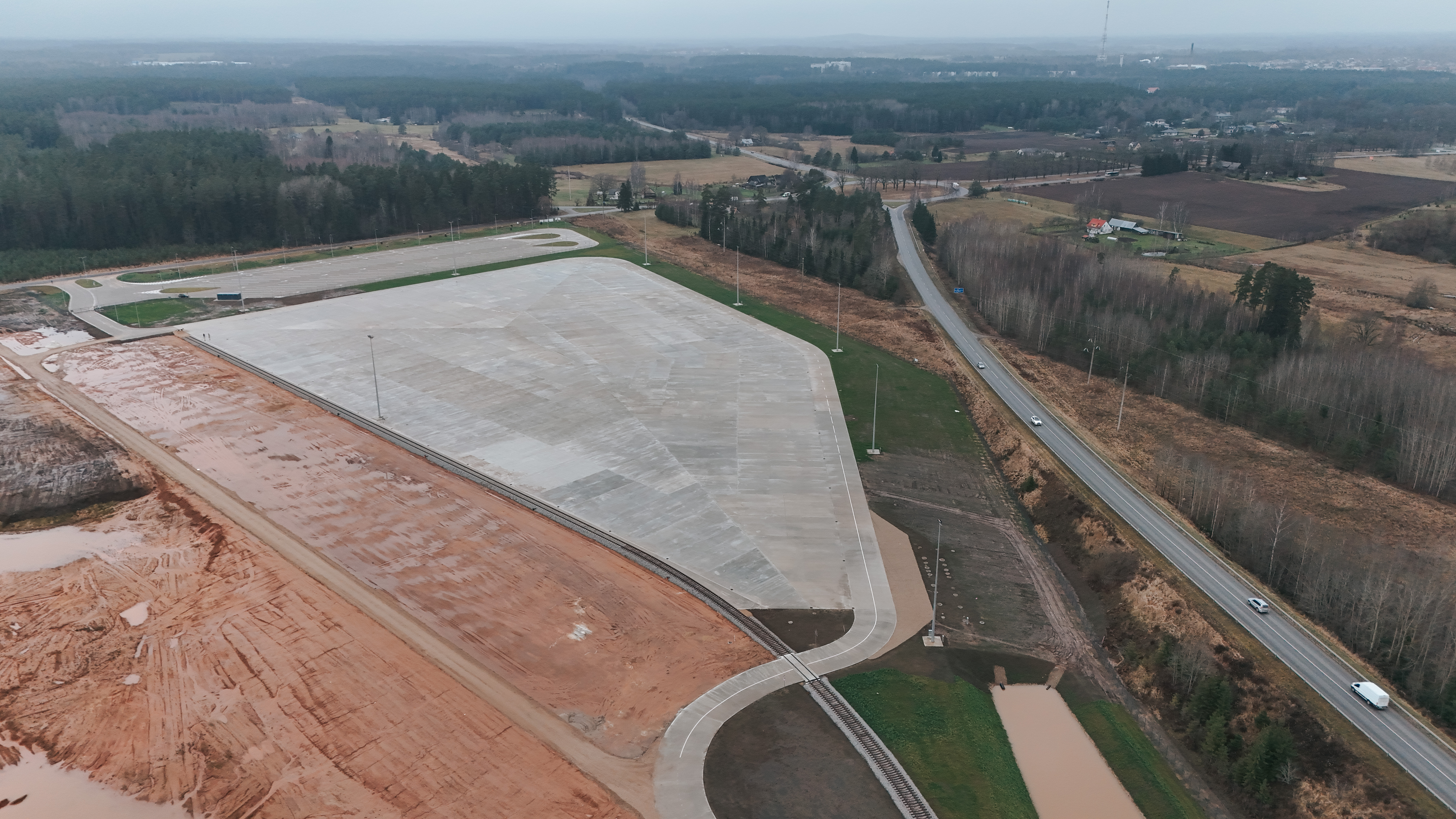
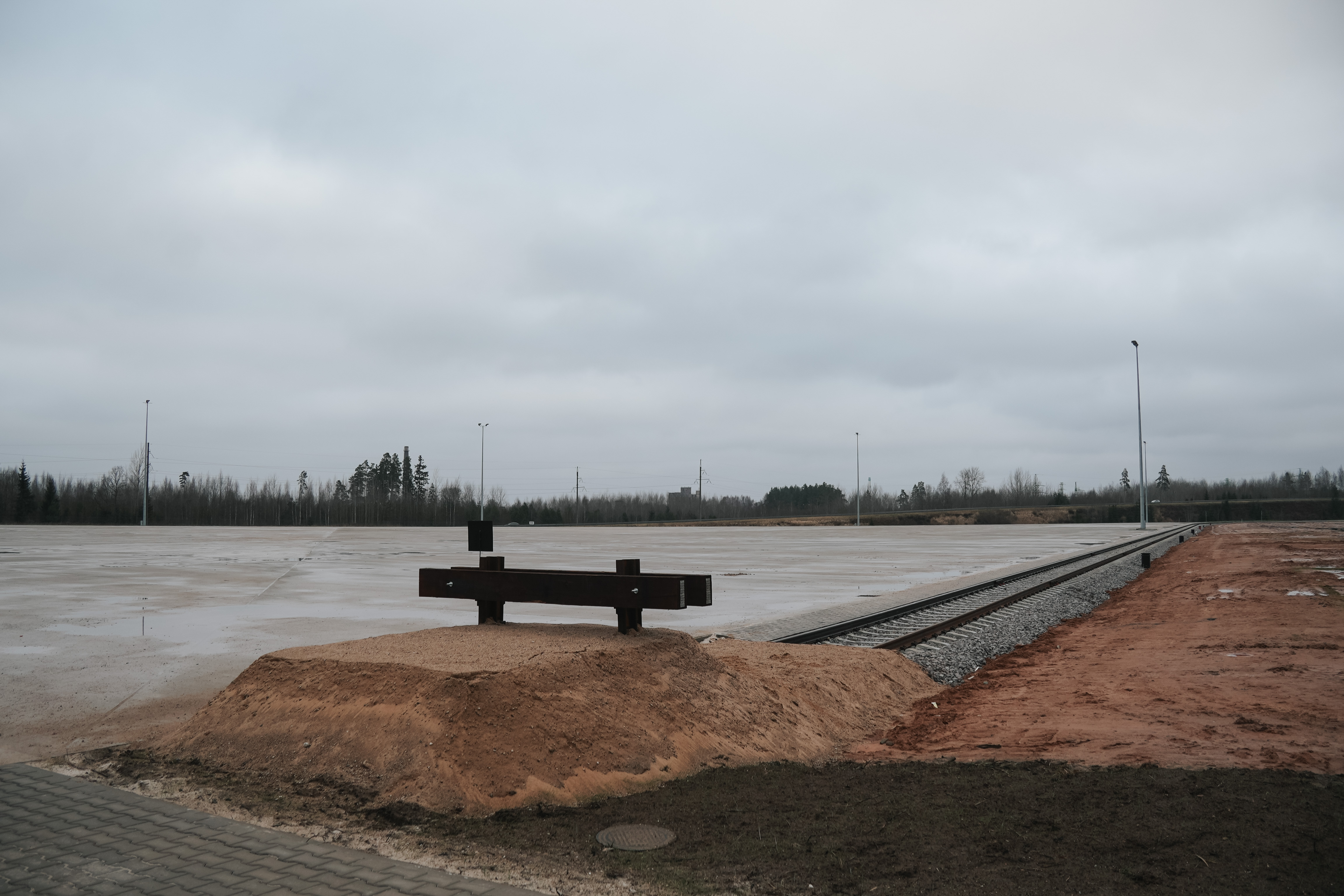
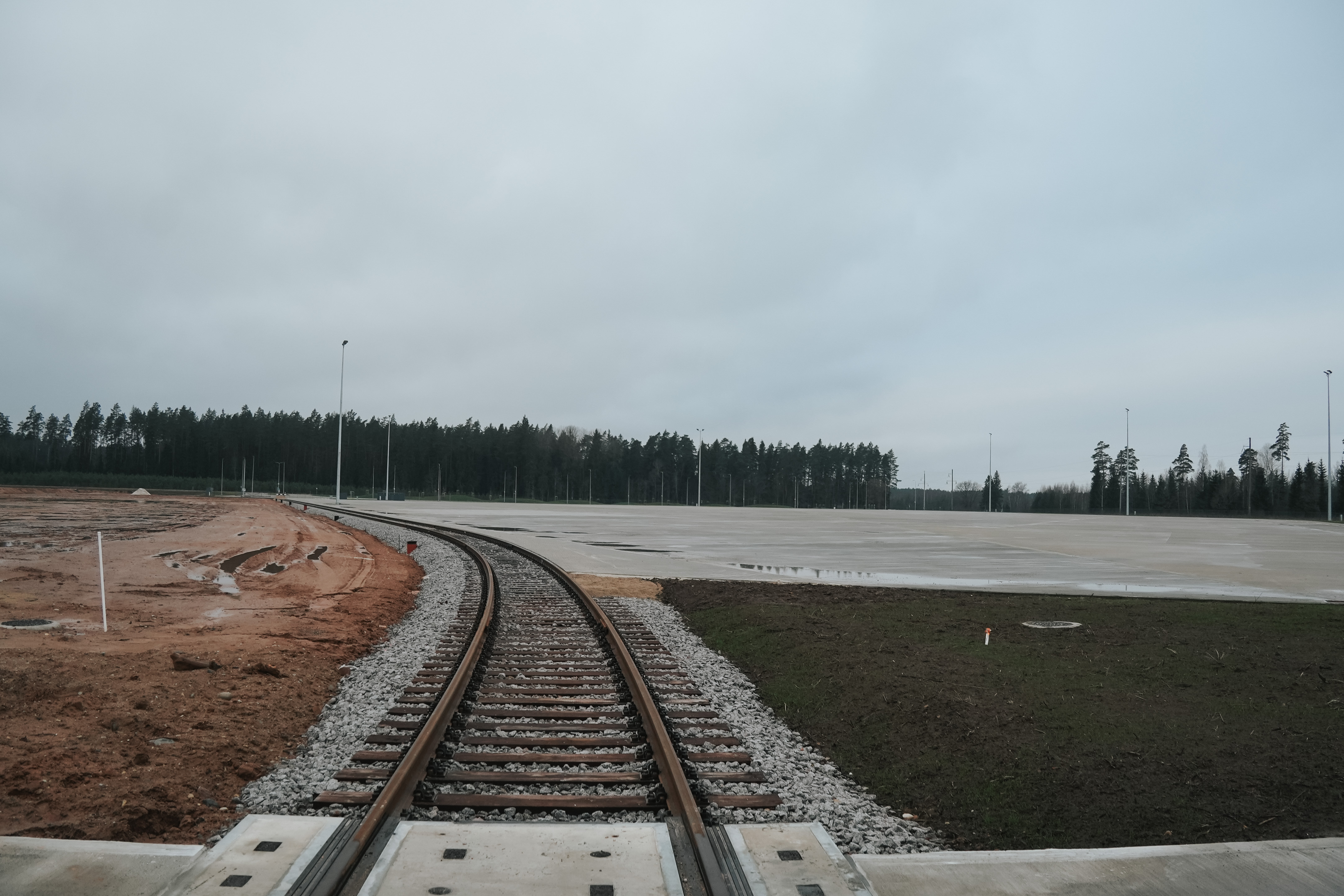
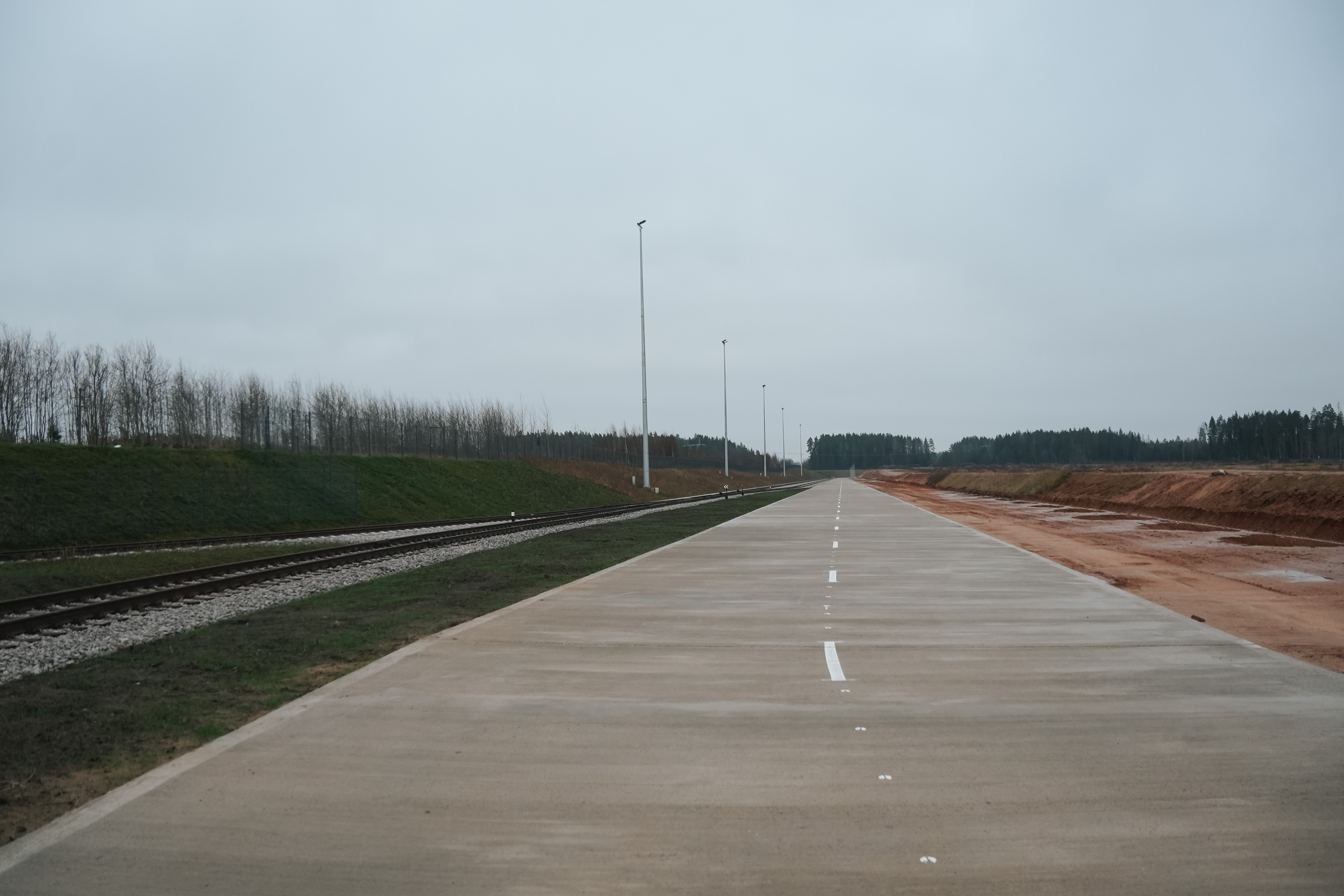
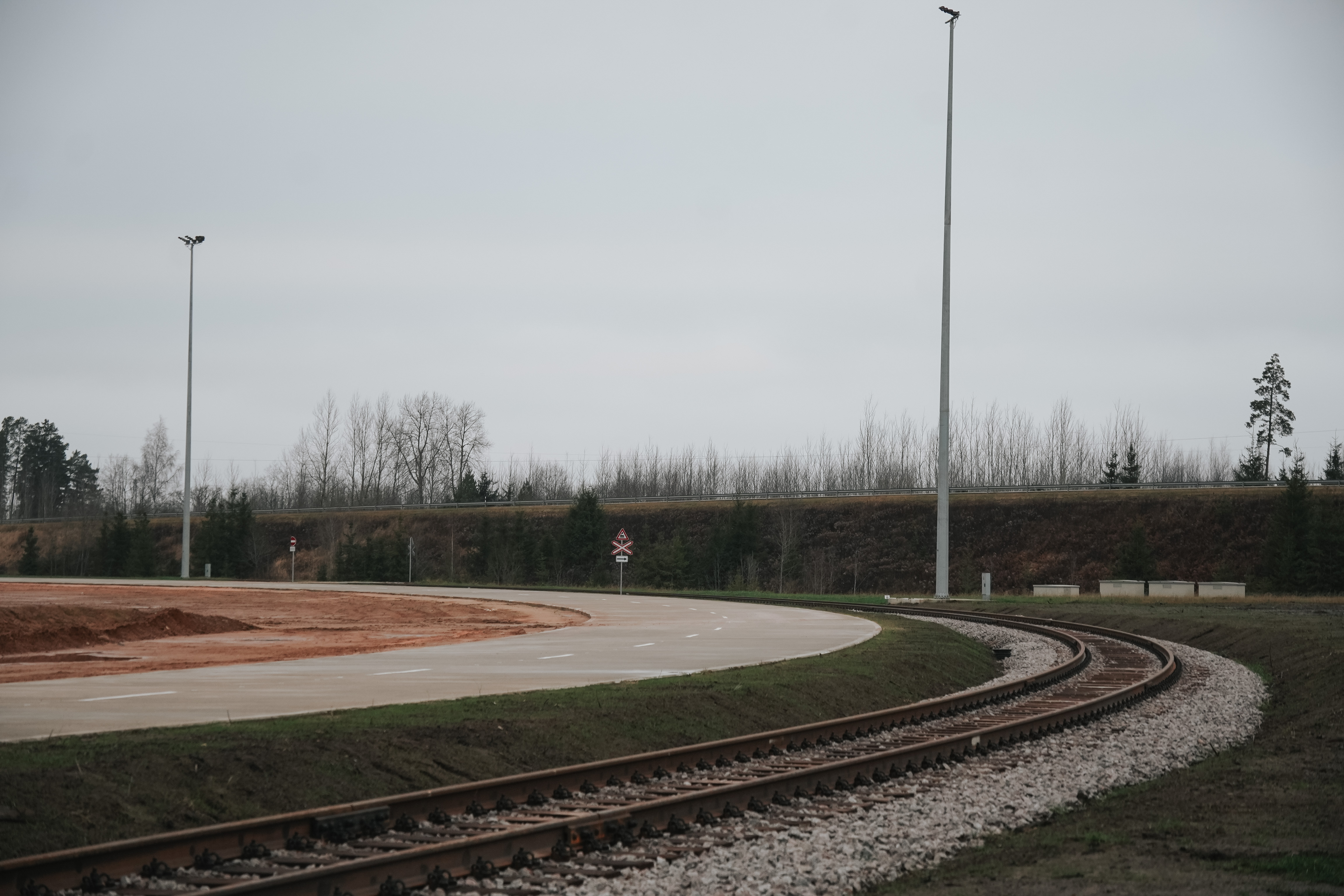
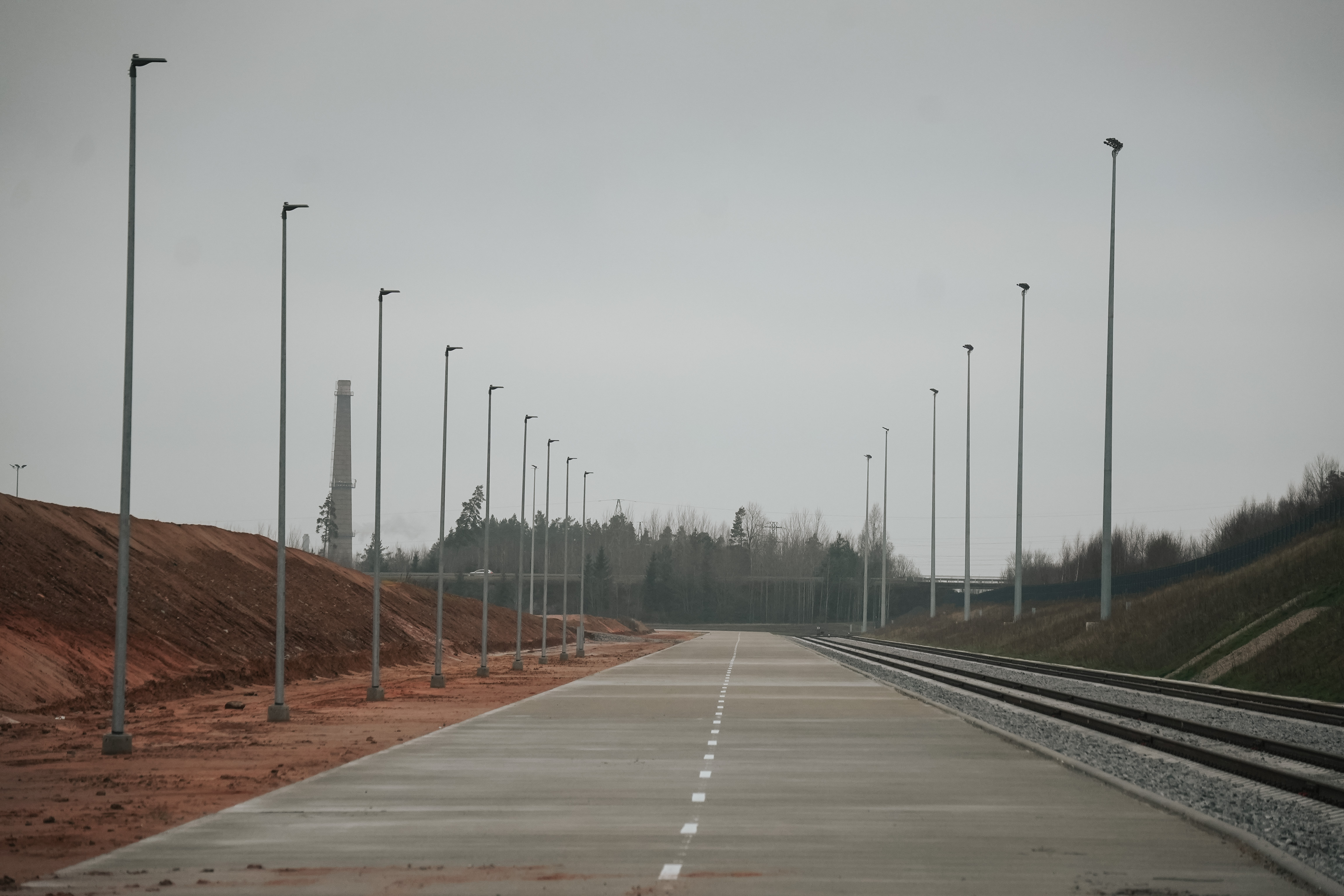
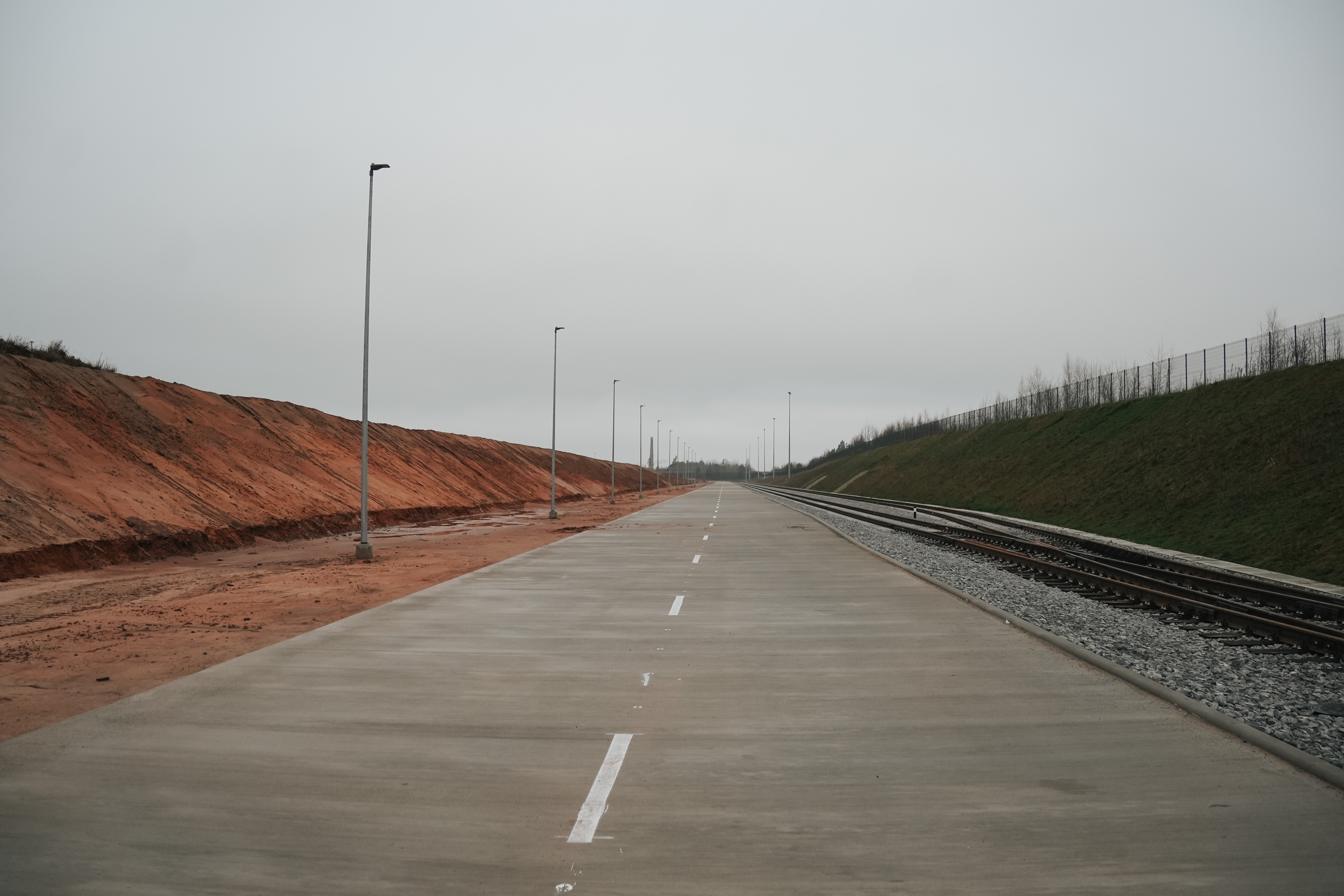
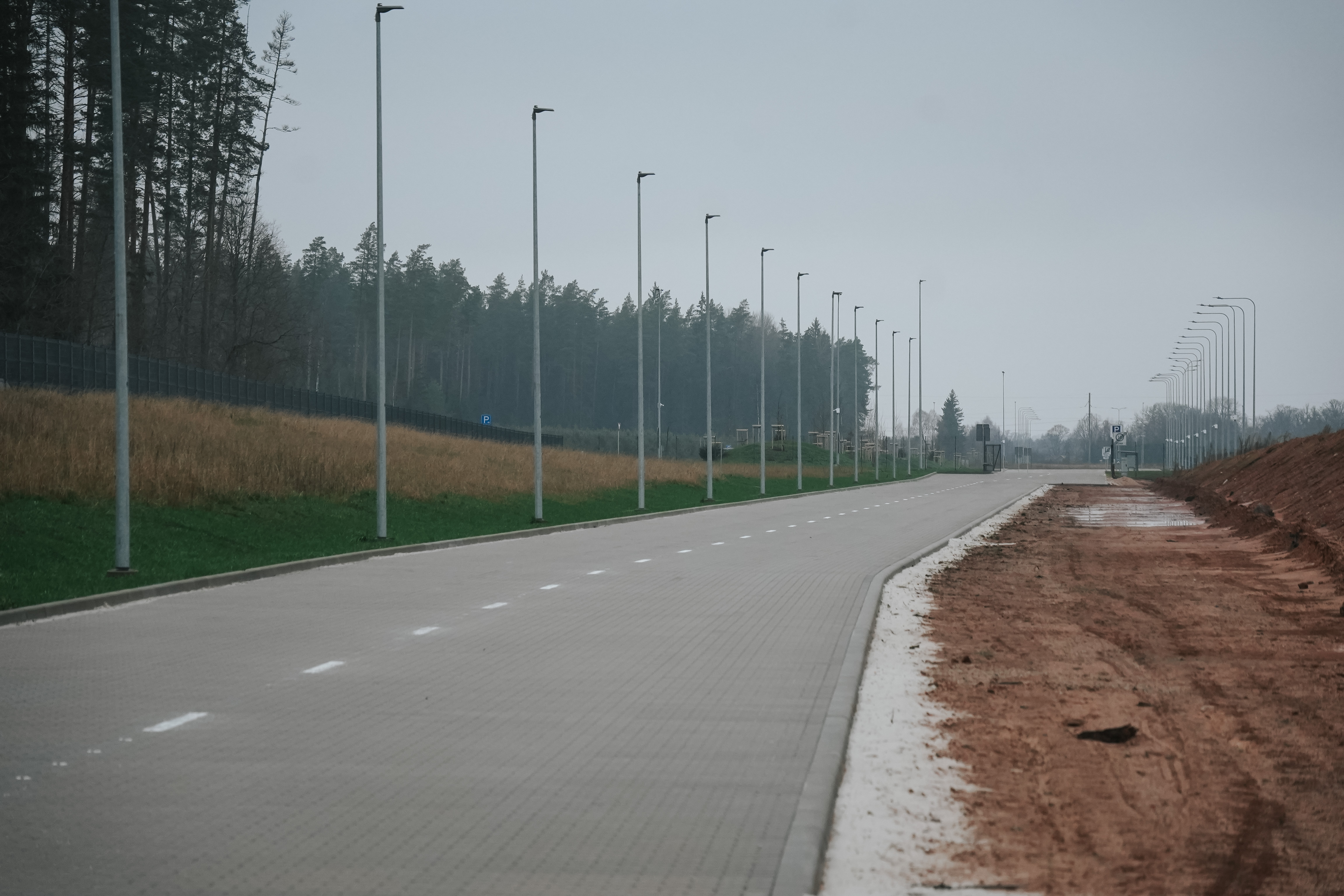
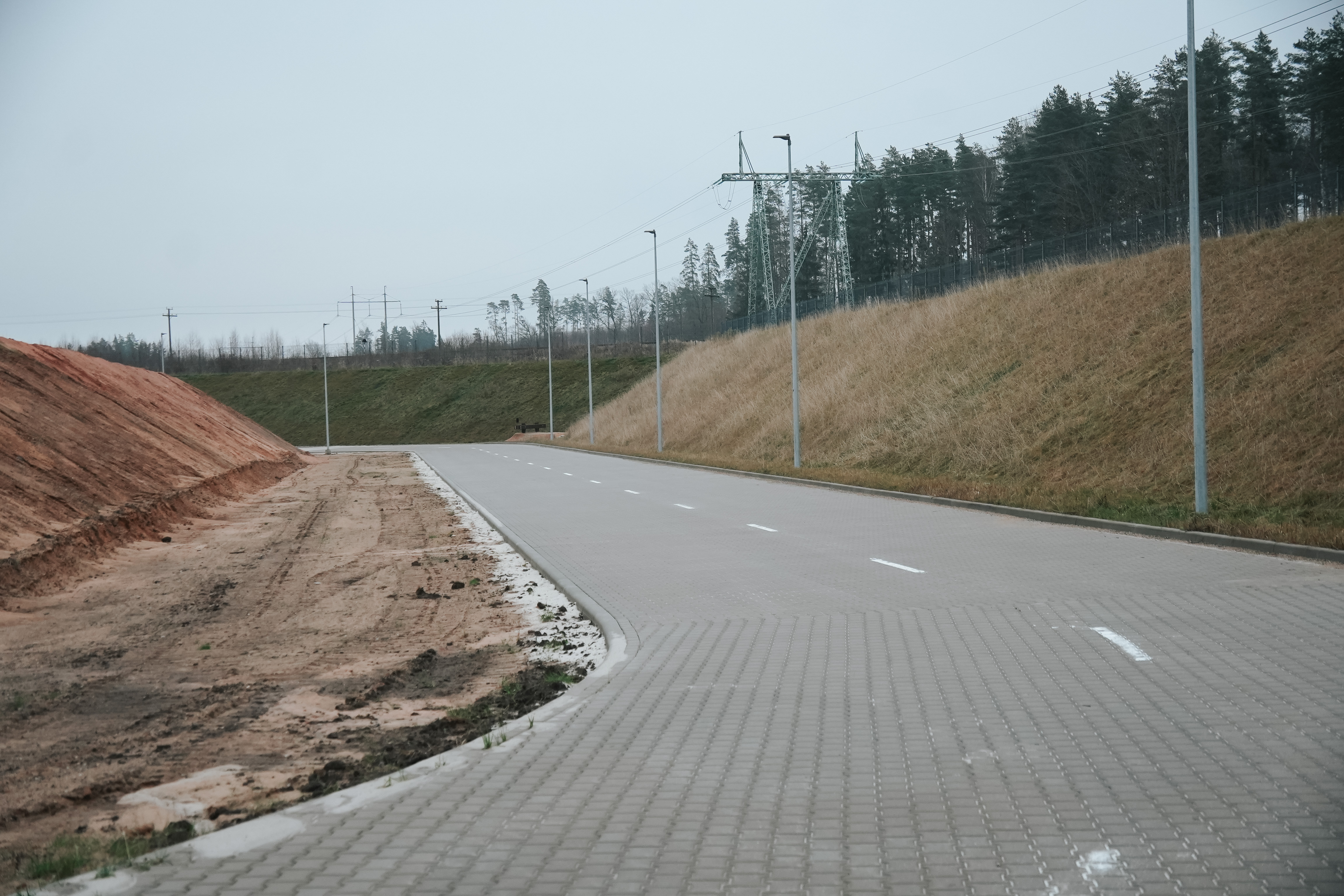
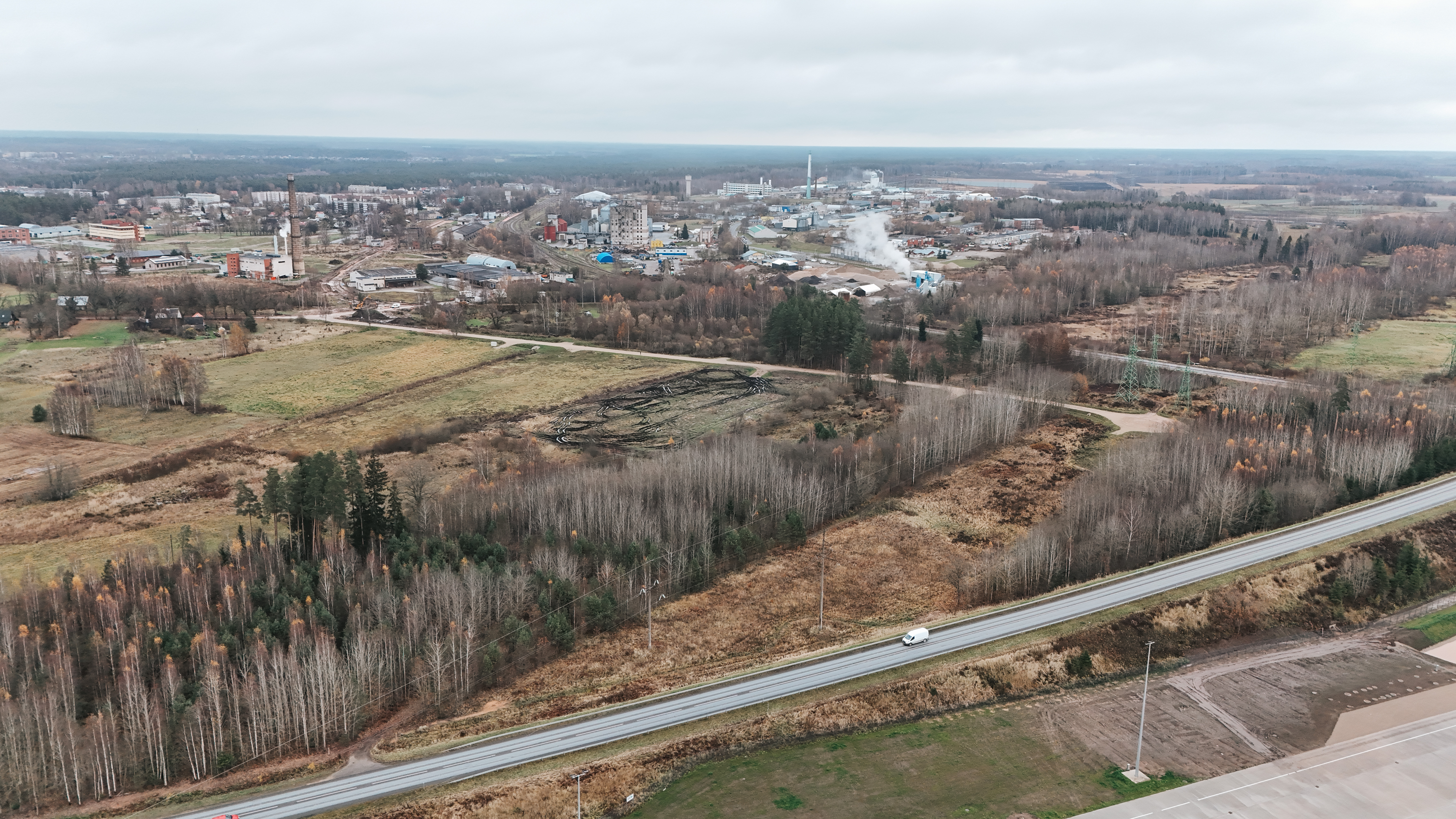
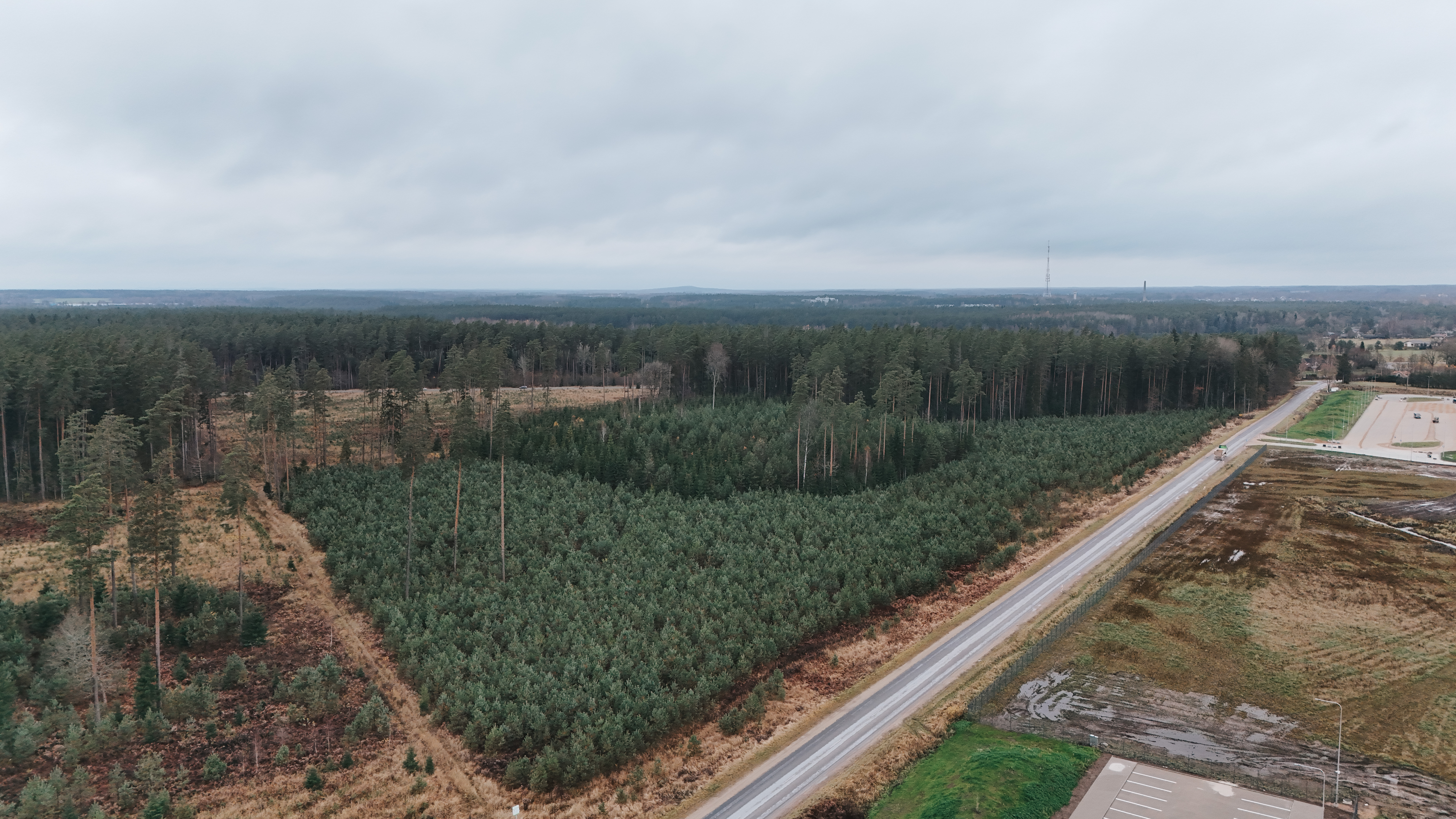
Construction has been completed at Valmiera Industrial Park, which is an infrastructure of national importance – a railway siding and internal railway, a cargo loading/unloading (logistics) site, and an industrial electricity connection have been put into operation. The rest of the infrastructure intended for exporting manufacturing companies operating in smart specialization (RIS3) sectors, creating products with high added value, has also been completed. The newly built railway infrastructure will strengthen the role of Valmiera region in the European transport network, consolidating its position as an important connection point between regions and the Baltic States.
Valmiera Industrial Park, operating as Latvia’s first domestic multimodal logistics center, will promote economic growth and export capacity in Vidzeme. This will be a significant stage of development and change in the transport and storage sector, as companies in Vidzeme and South Estonia will be able to optimize their supply chains while reducing transport costs and emissions, as well as the load on roads. The potential of the new and competitive railway infrastructure and the extensive concrete logistics area has also been dubbed Latvia’s first “dry port” (i.e., inland intermodal terminals directly connected to seaports by road or rail).
“Targeted investment in business development is always necessary to promote growth and maintain competitiveness. The development of the Valmiera Industrial Park has been purposefully planned since 2014, implementing this idea gradually and thoughtfully to ensure maximum return on invested resources in the long term. It is planned that at least three export-oriented companies will start operating in the area to be developed under the project, creating new jobs and making significant investments in business. These are historically the largest investments in the development of the Valmiera region, which will make a significant contribution to both the region’s economy and the well-being of its residents. At the same time, in parallel with the development of business infrastructure in the municipality, we continue to invest in affordable housing and competitive education to ensure a timely supply of qualified specialists to the labor market,” says Jānis Baiks, Chairman of the Valmiera Municipality Council.
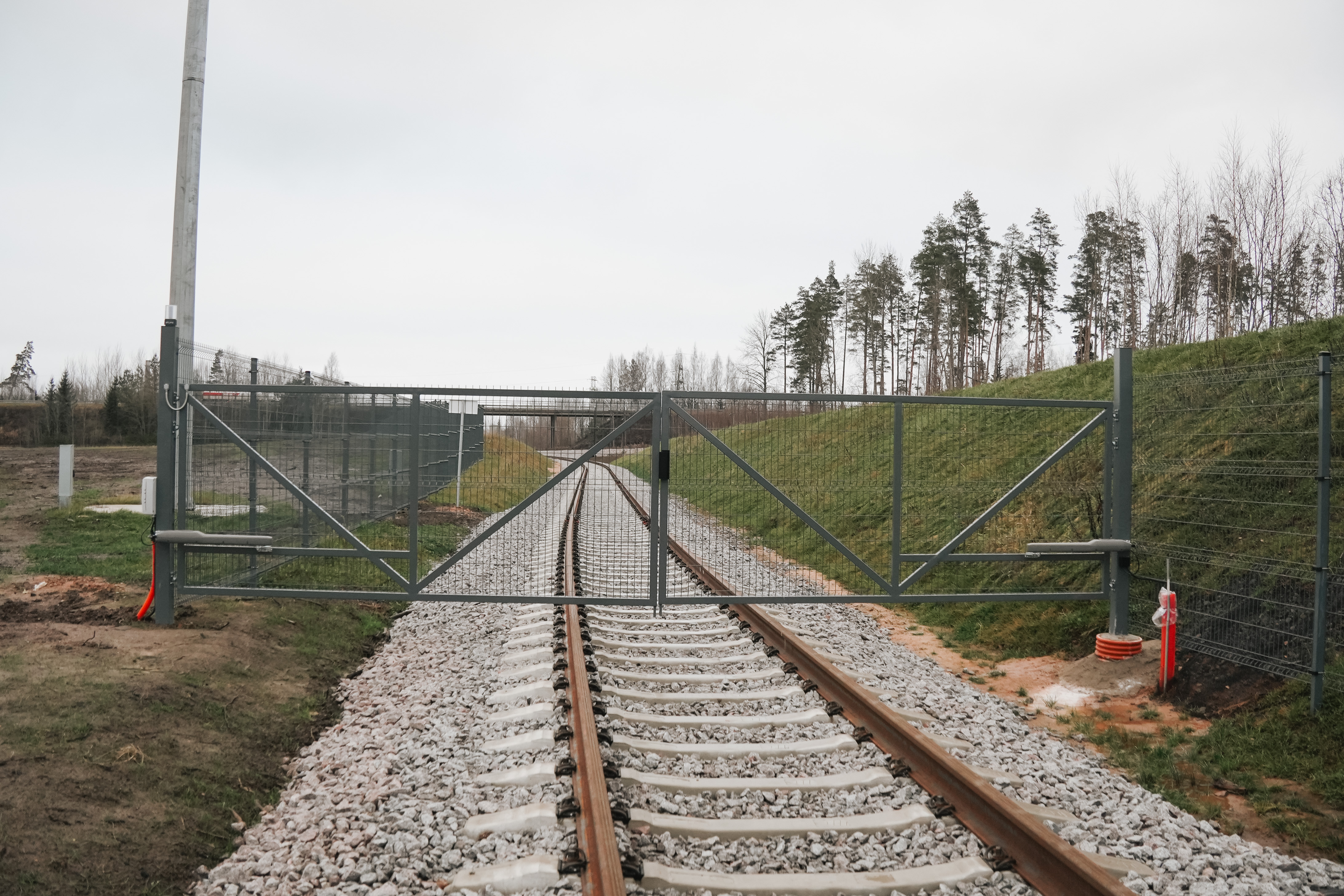
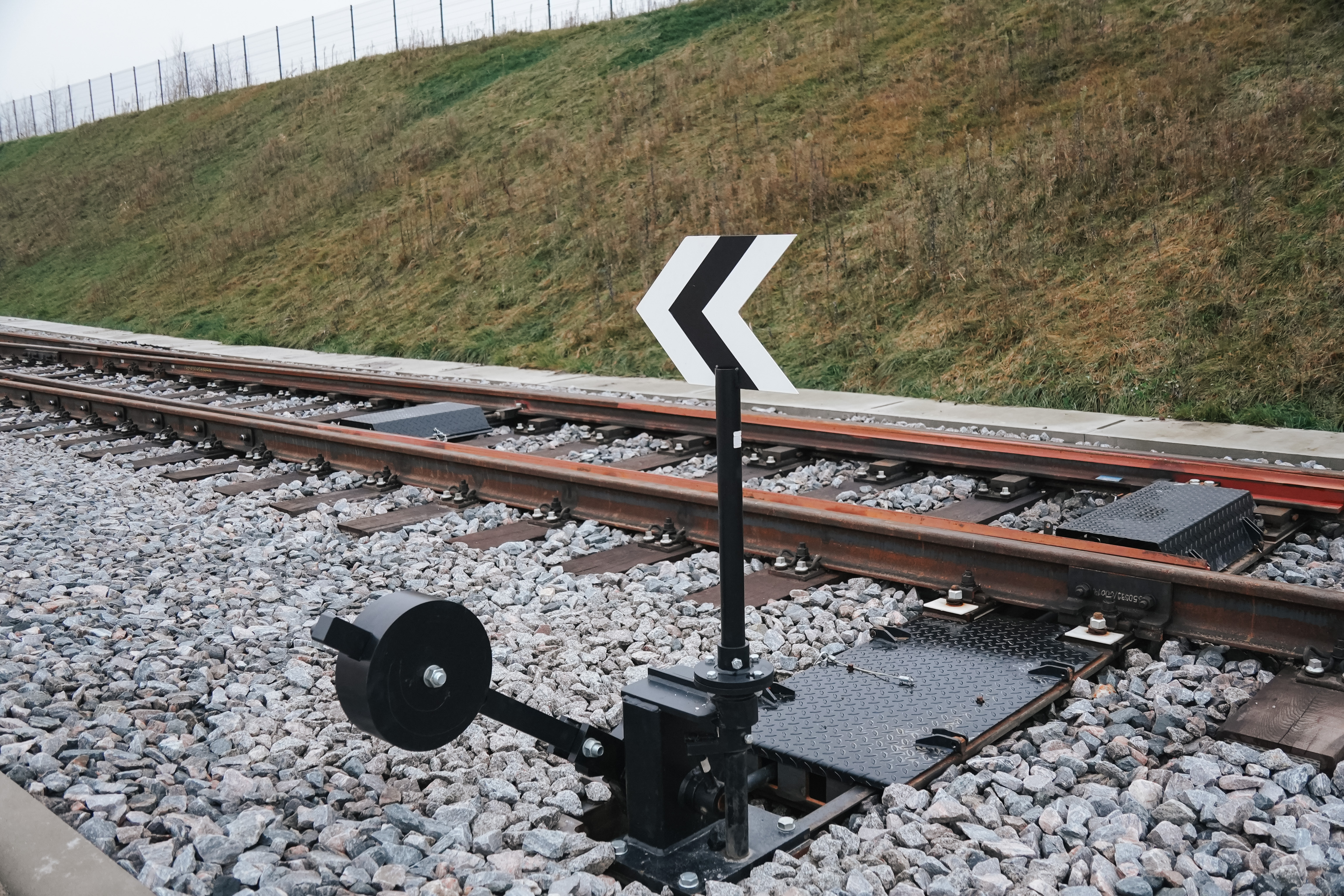
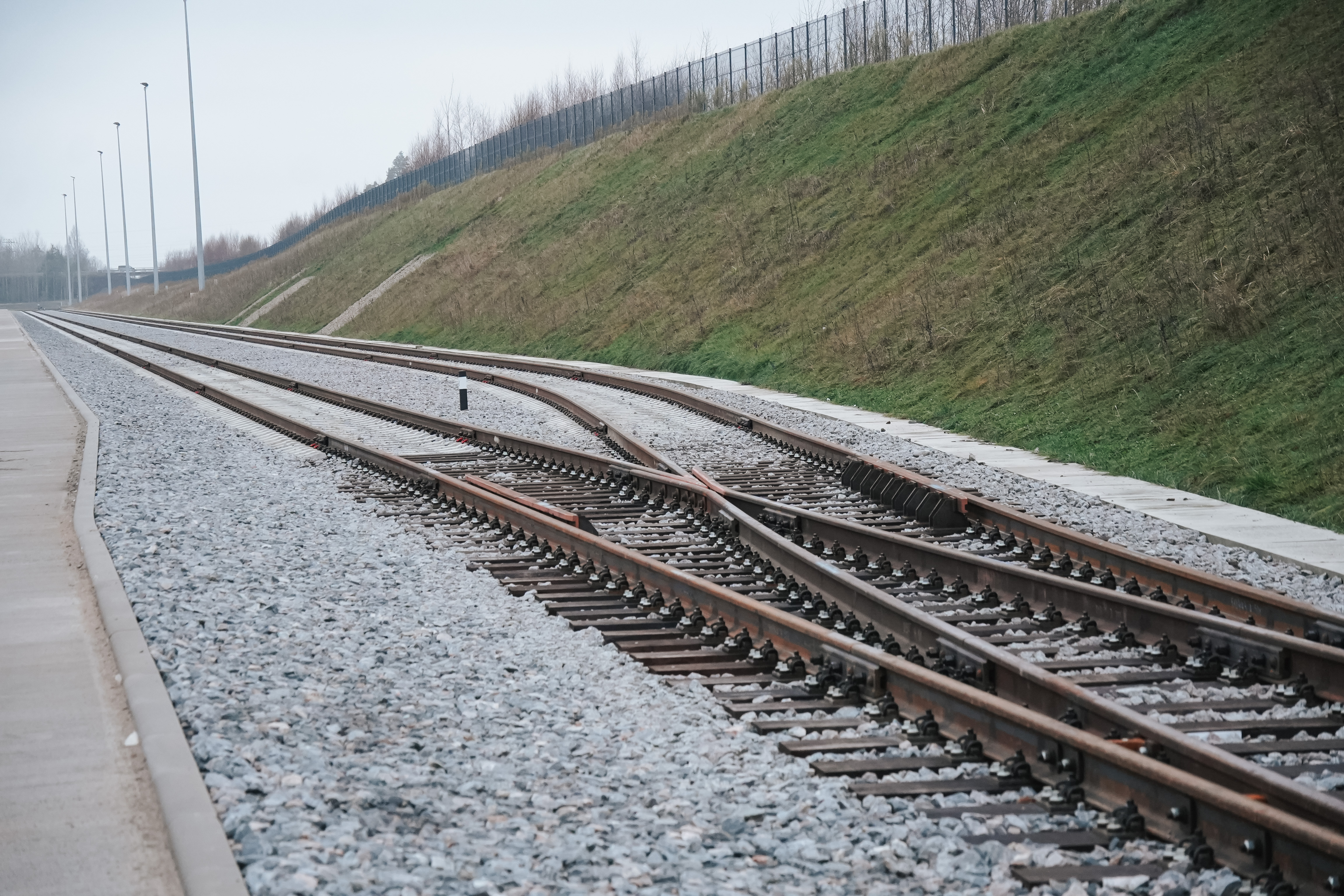
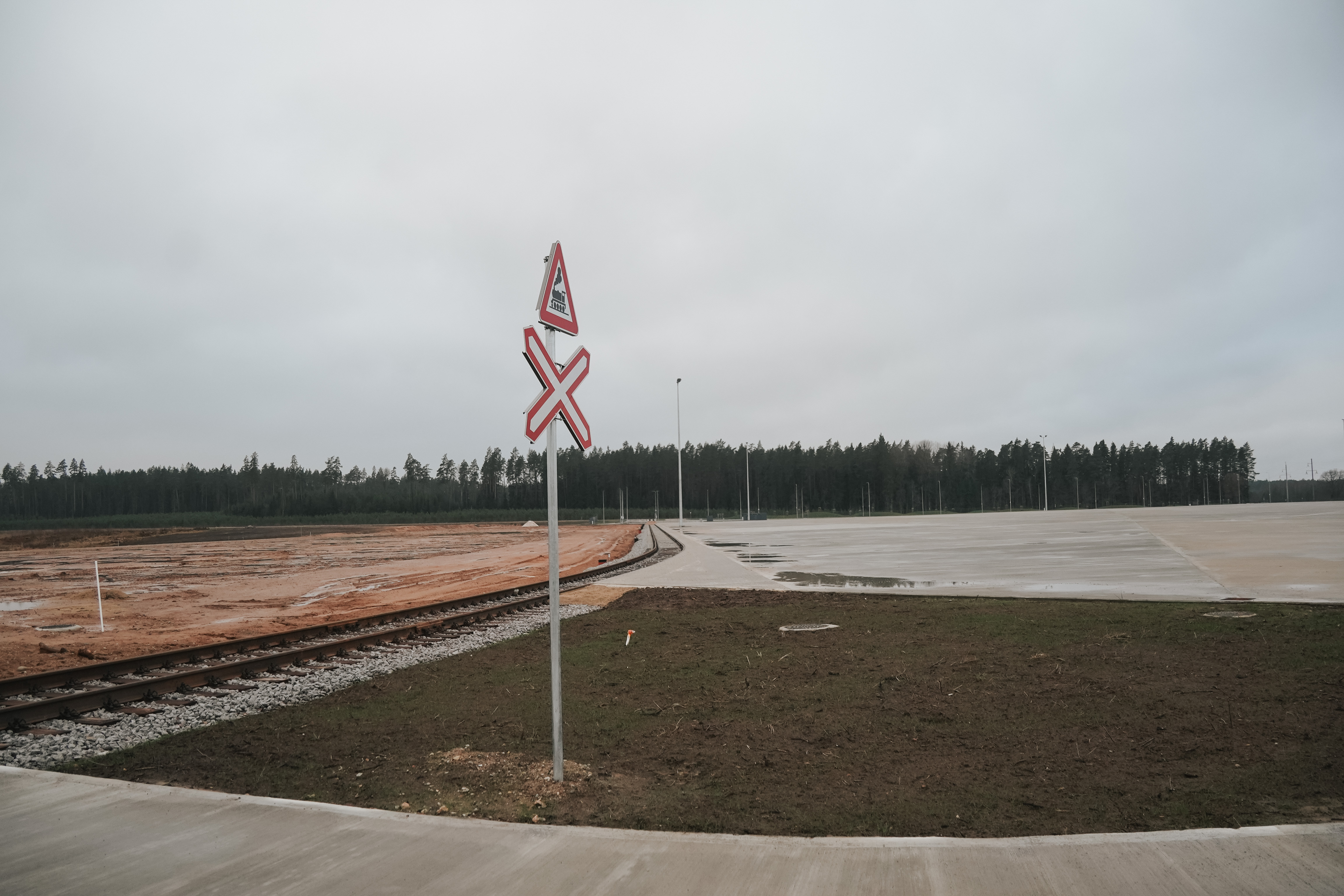
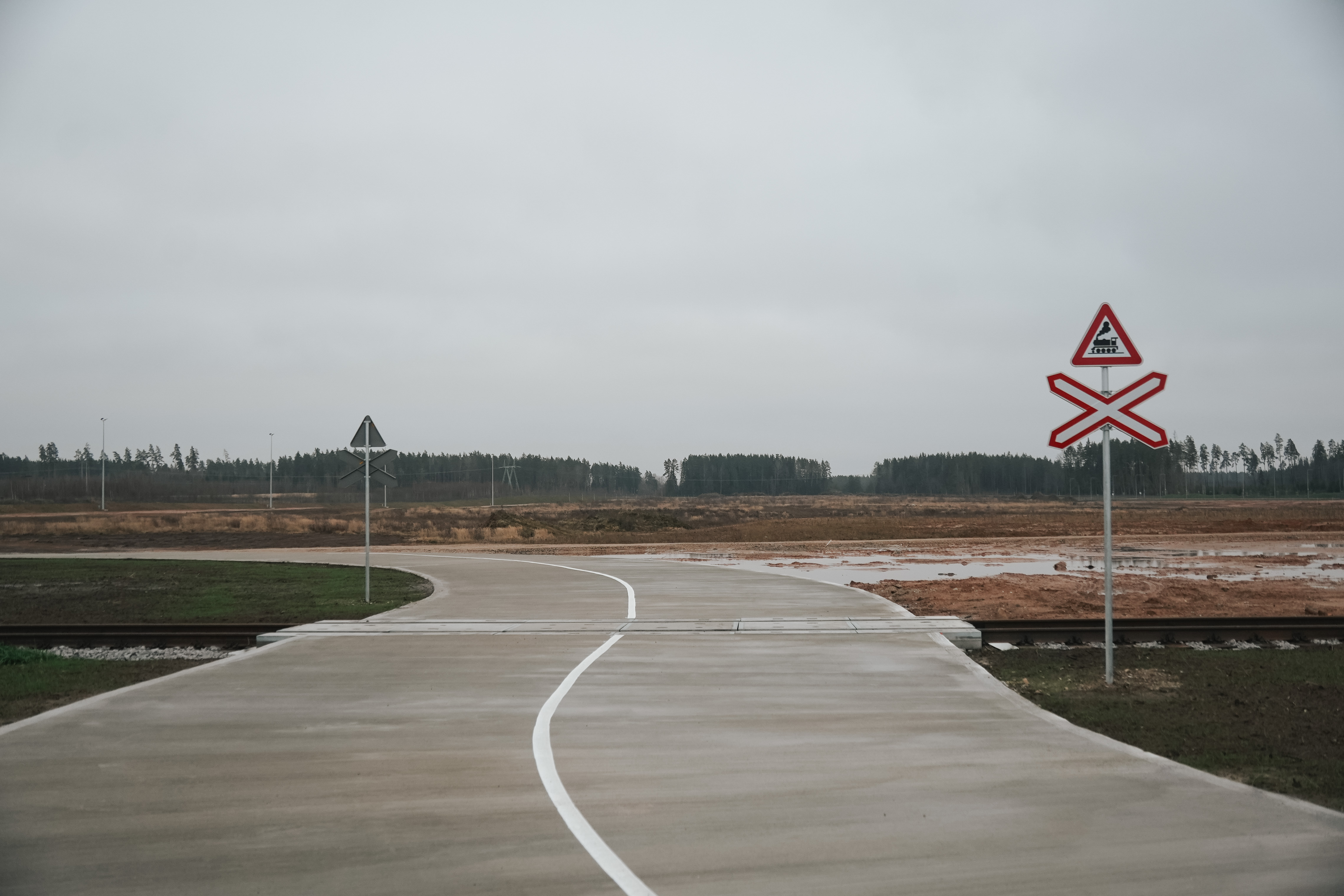
A 2.275 km long internal railway and a 0.94 km long access road with receiving and dispatch tracks have been built. A track gauge of 1520 mm has been chosen to ensure convenient connection with the rest of Latvia’s existing railway infrastructure. The useful length of the track is up to 46 wagons (the length of one half-wagon is 13.92 m). It was put into operation on 25th November, 2025, and preparations for certification have begun in order to obtain a NoBo (Notified Body) certificate, which will confirm the railway’s compliance with European Union technical requirements.
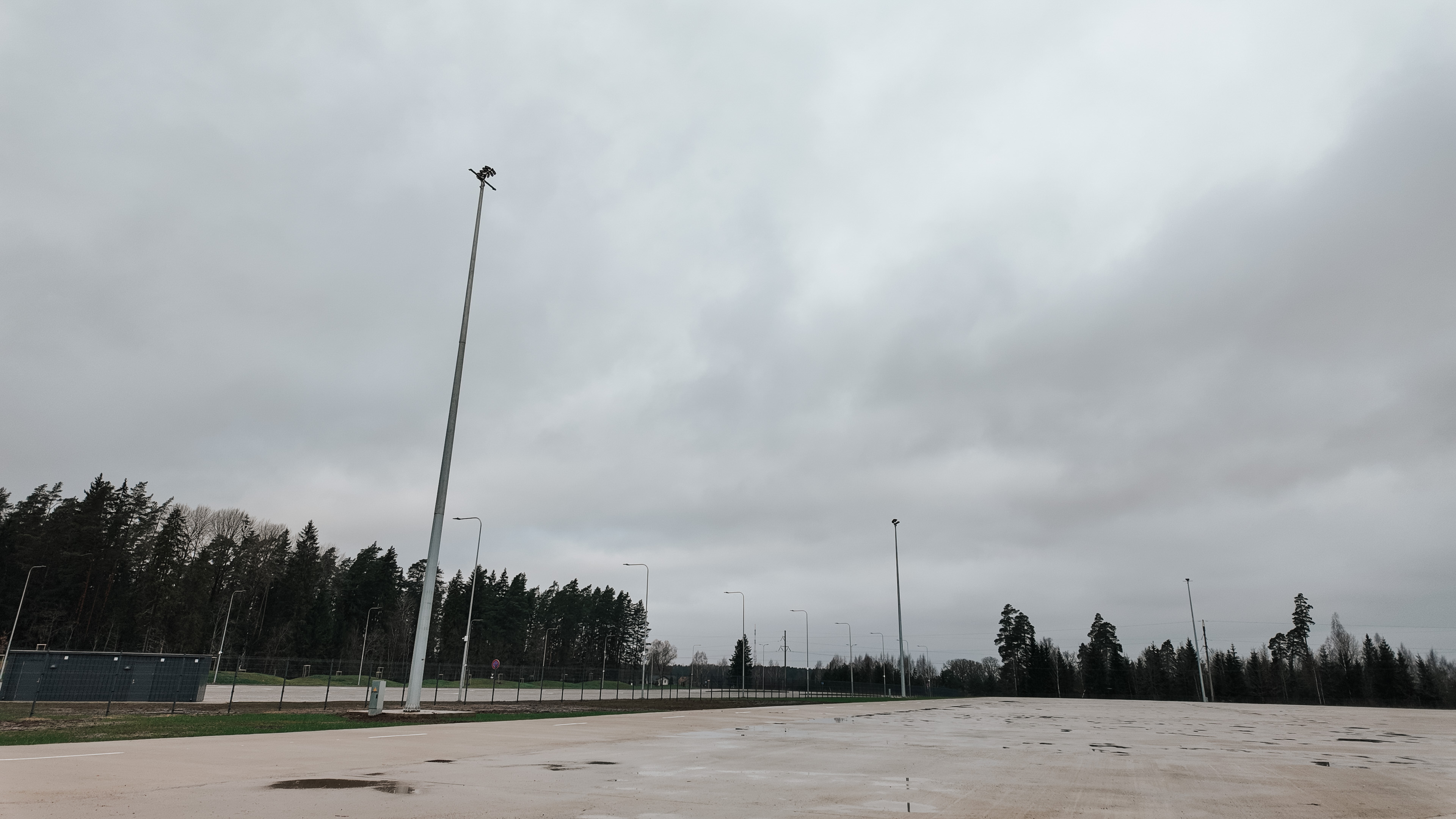
The railway connects to a 4.6 ha loading/unloading site with a load-bearing capacity of 60 tonnes. The area is intended for the storage of finished products and materials, but not for the storage of chemicals or other hazardous substances. Cargo handling will be provided by a crane designed for railway cargo handling. The concrete surface of the area allows for efficient loading, unloading, picking and various logistics services, as well as the organisation of a centralised freight transport flow from the region to ports.
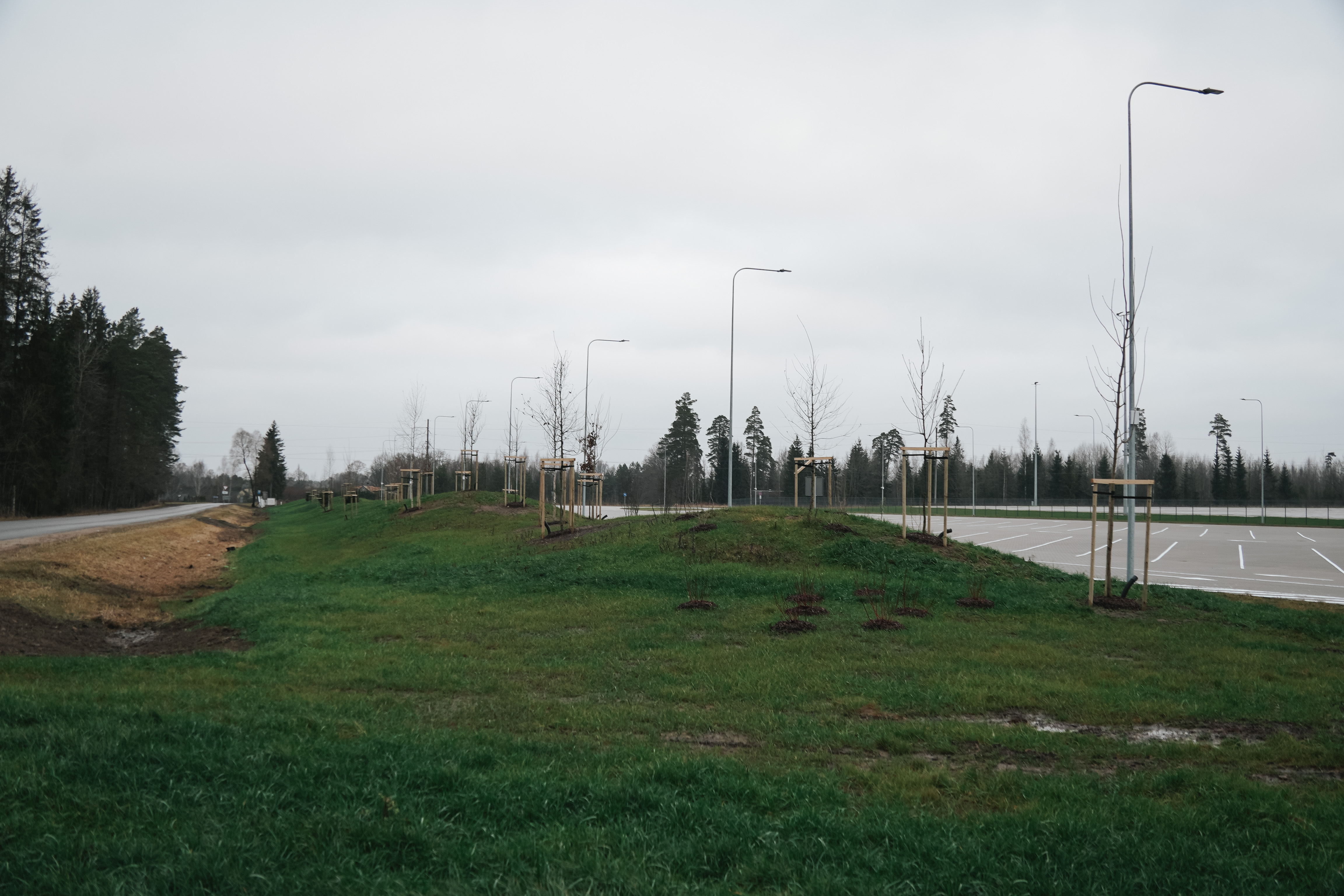
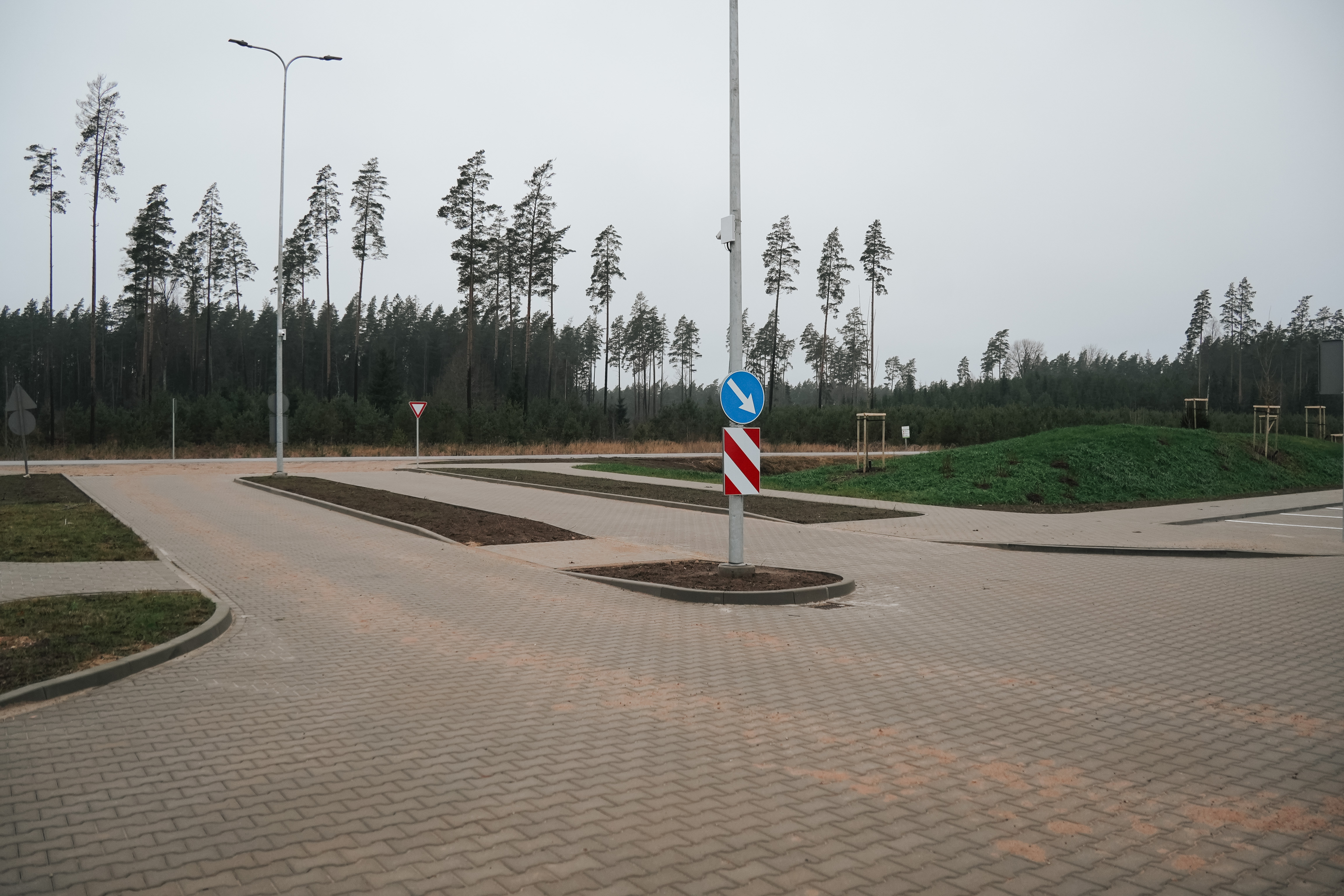
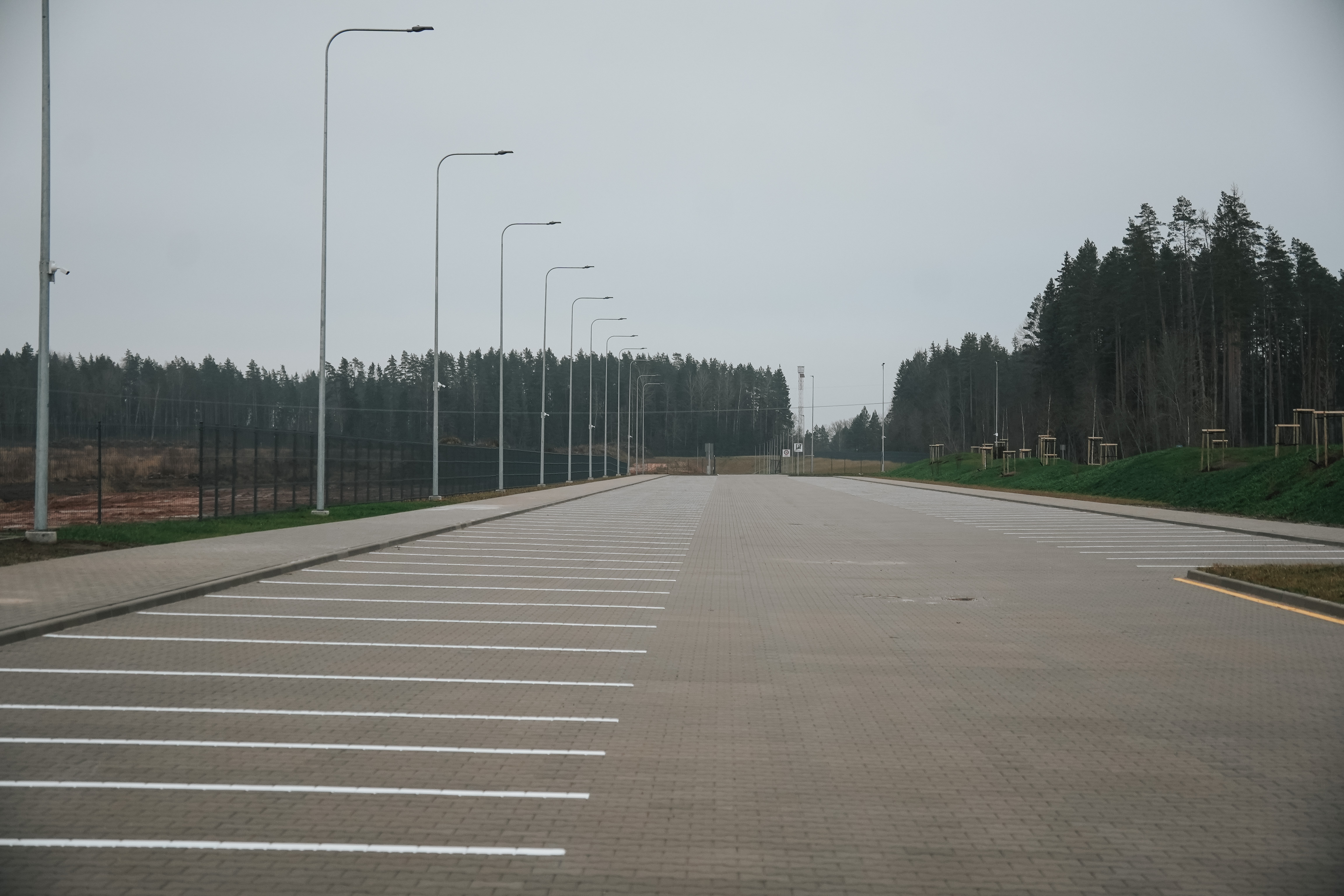
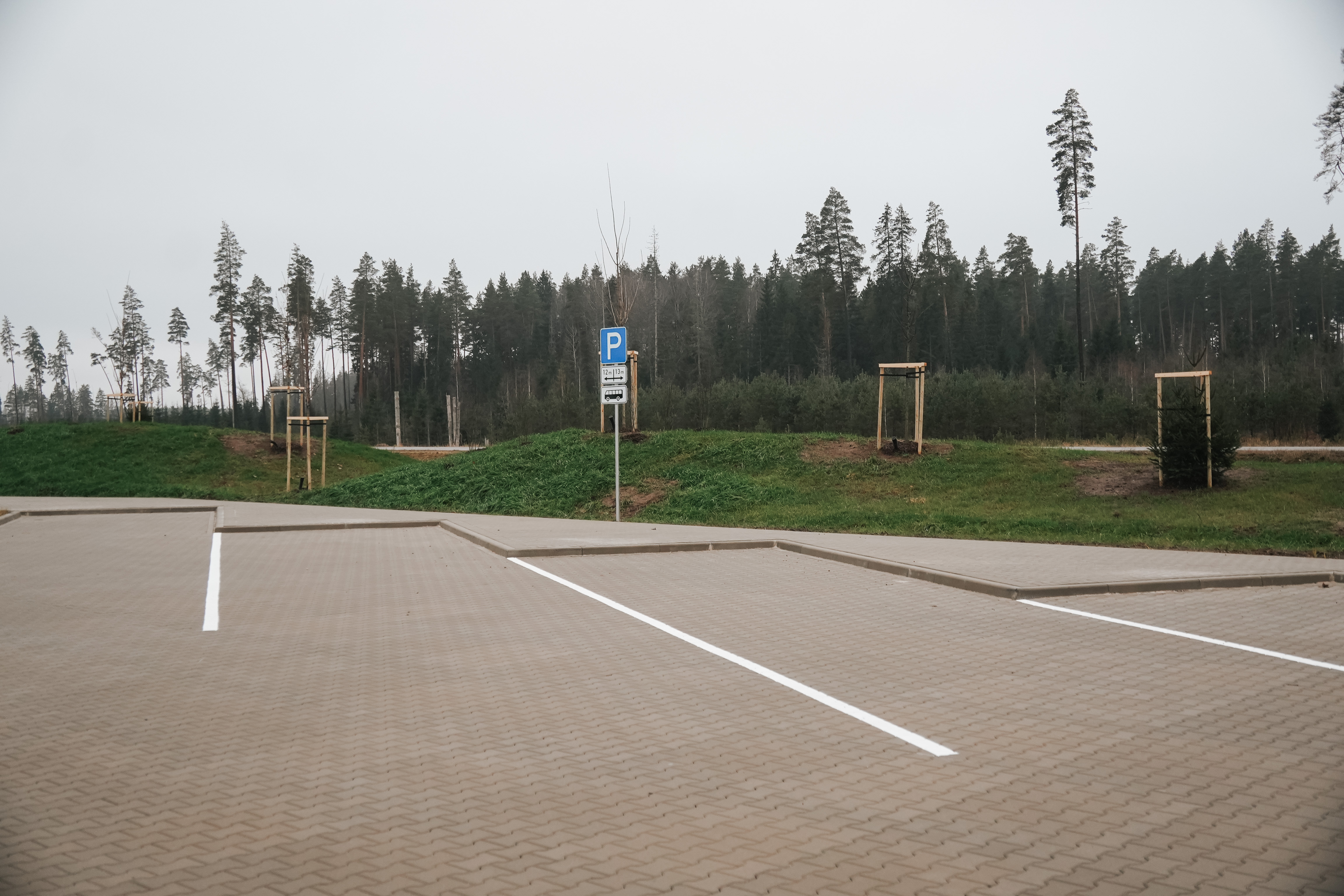
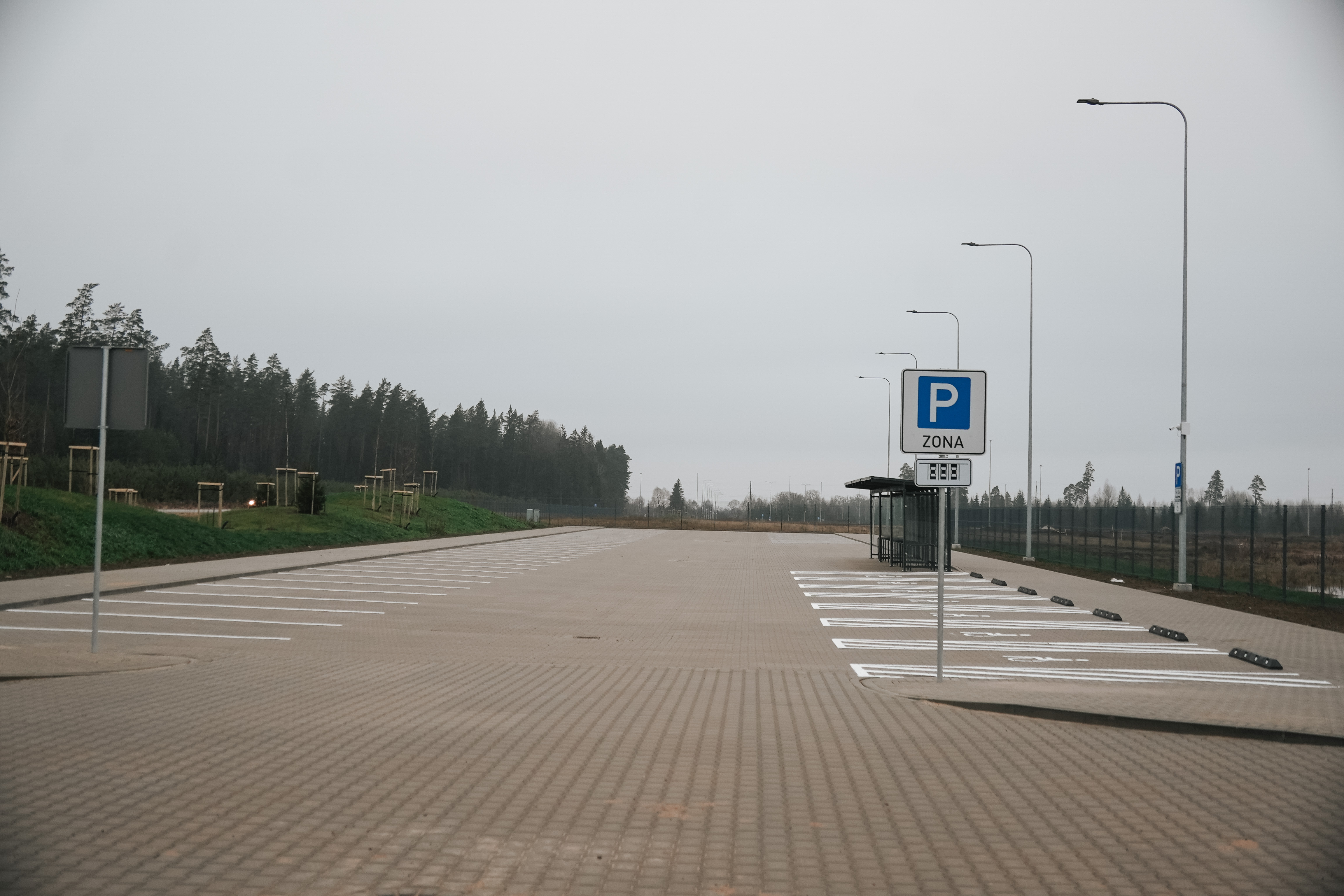
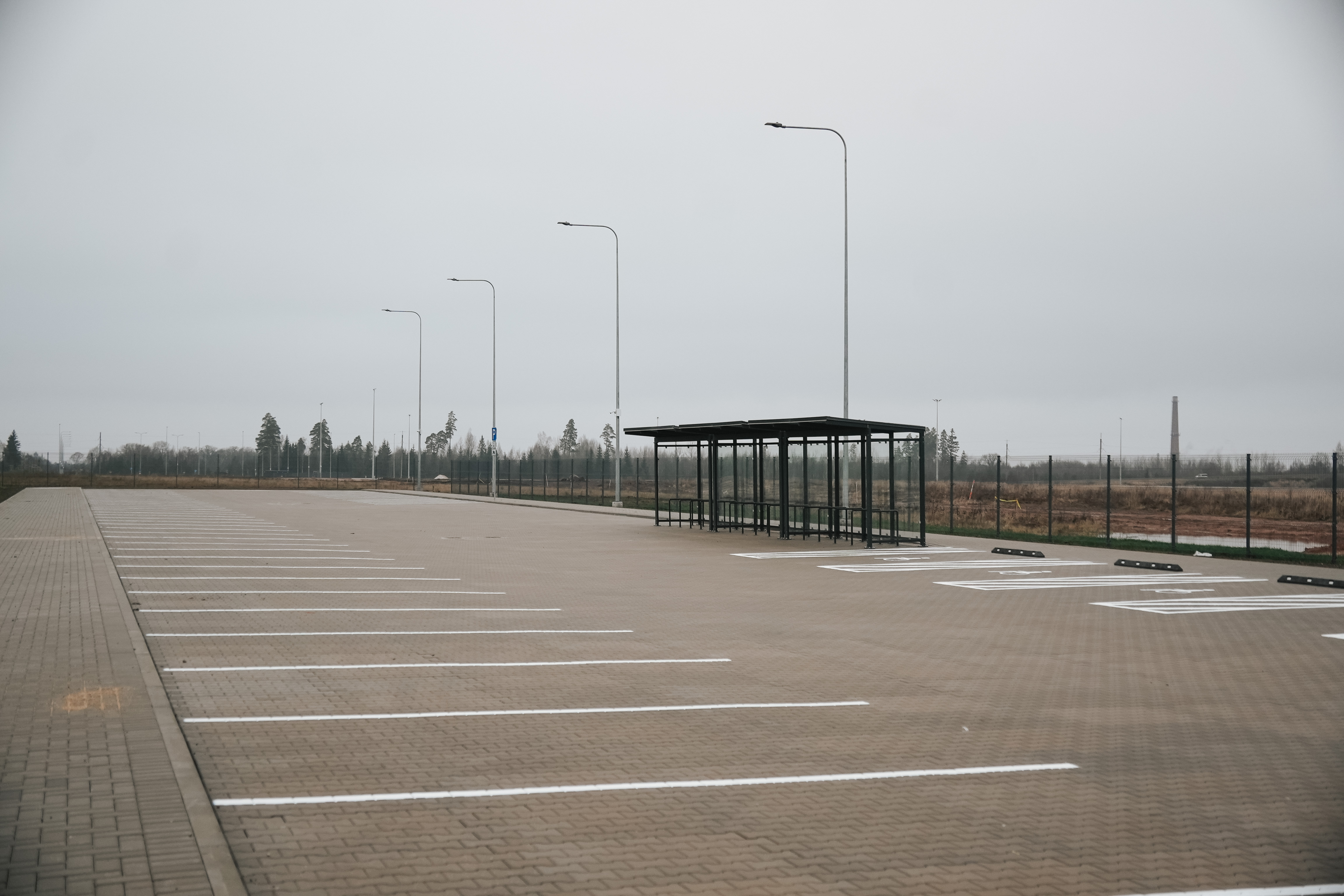
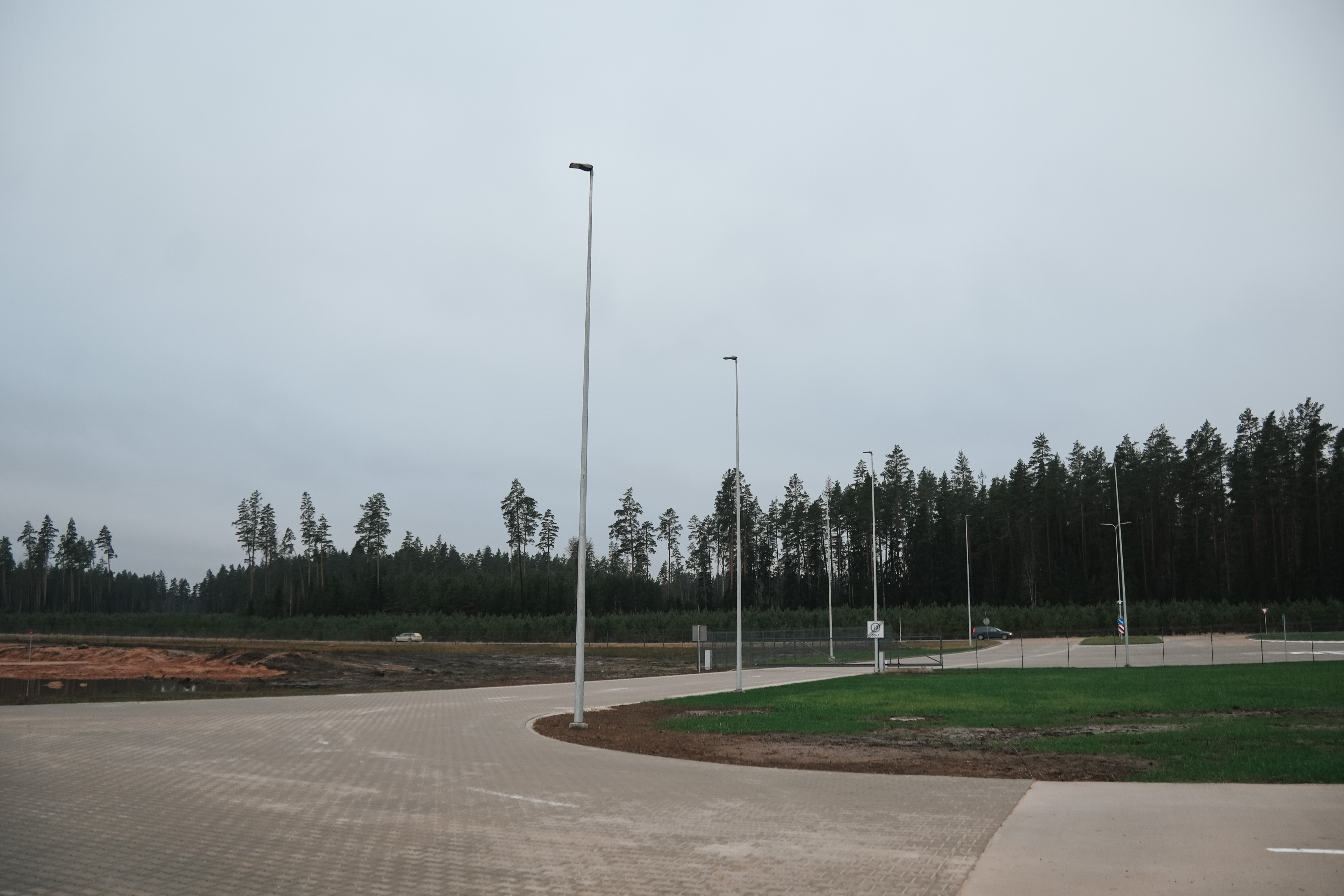
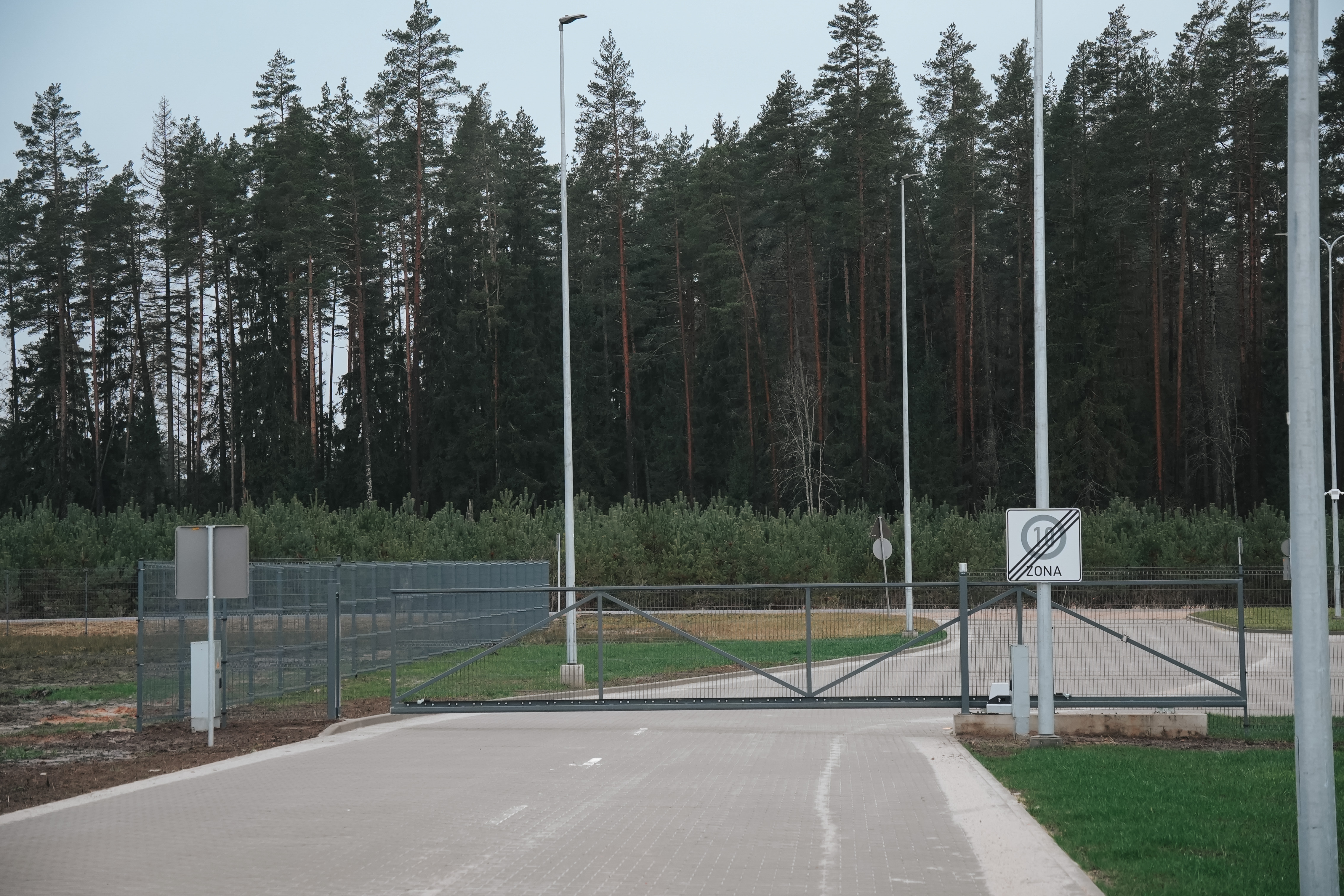
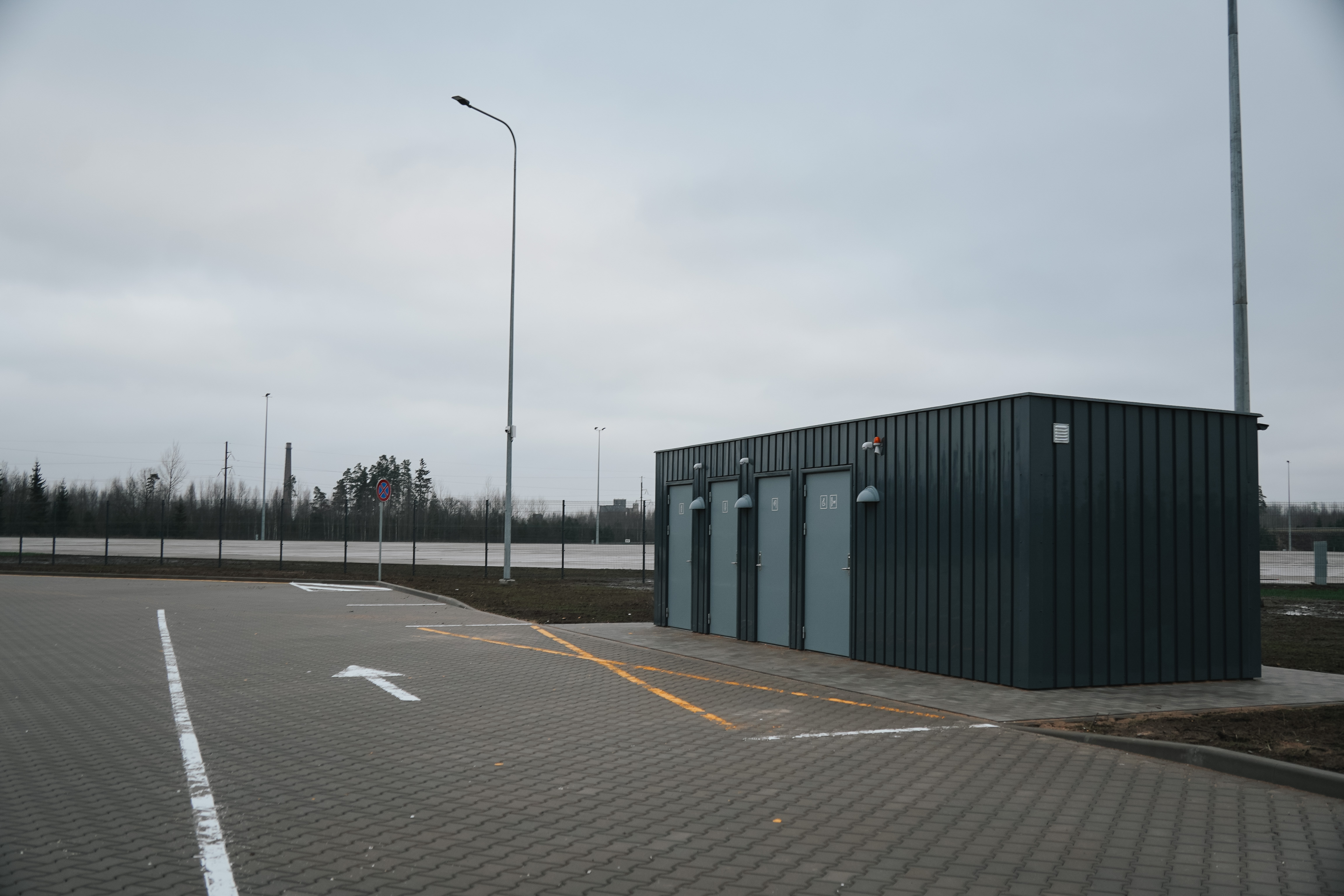
Lighted parking lots have been built. One is for long-term parking of trucks and vehicles, and the other is a public parking lot. A concrete internal road ensures the movement of vehicles within the park. The entire park infrastructure is illuminated and fenced. Green infrastructure has also been installed.
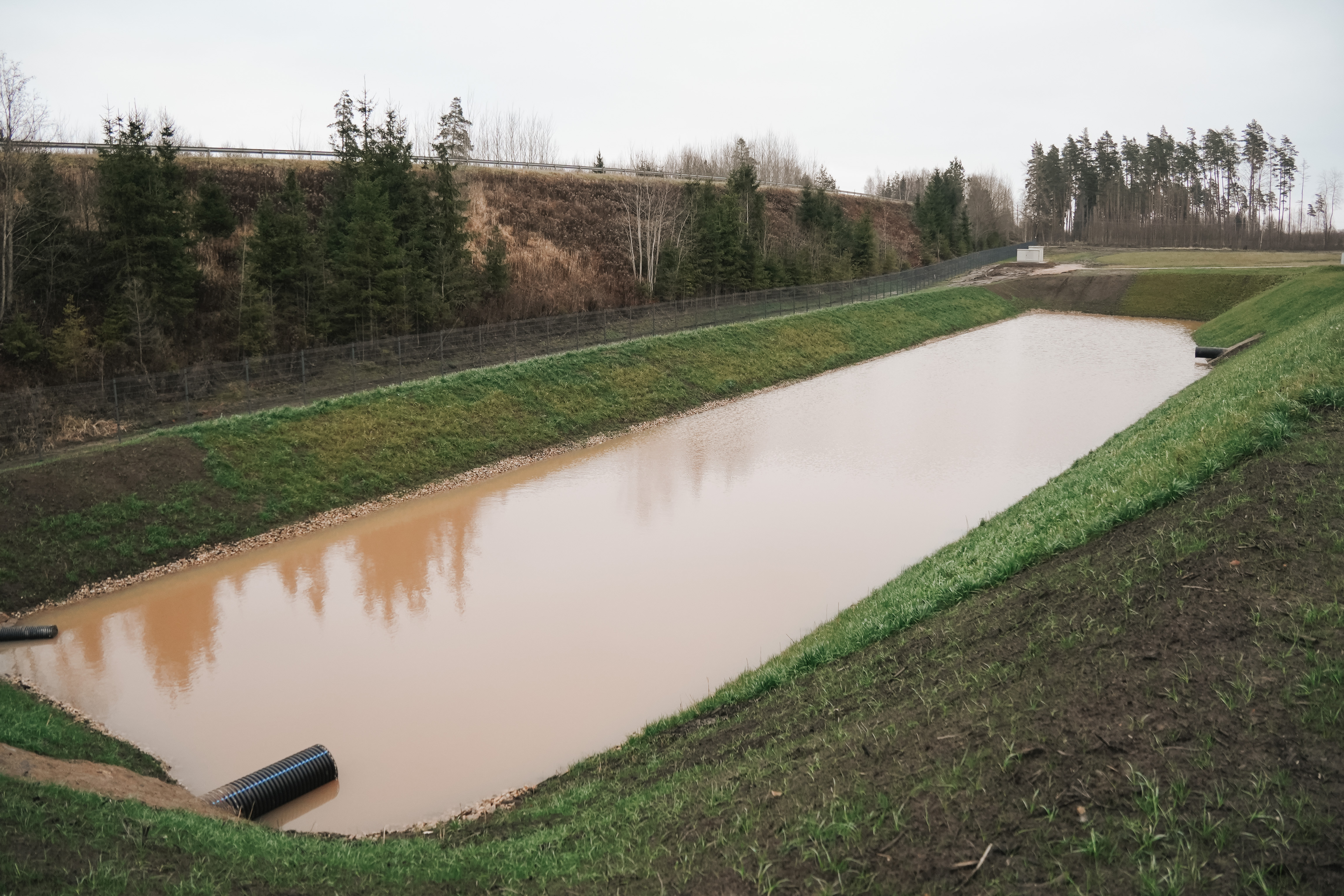
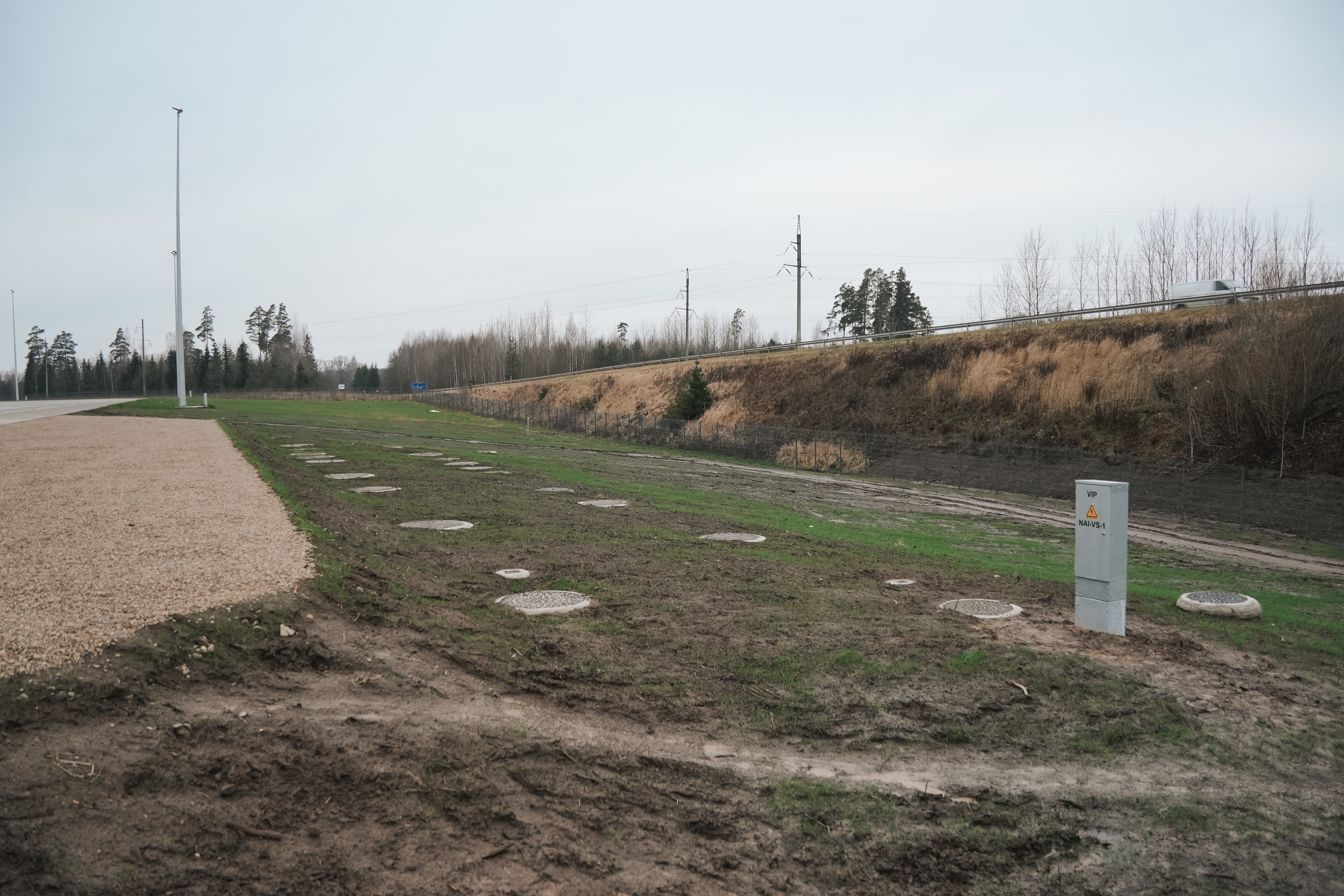
The industrial park territory includes a nature-based solution – an artificial wetland for rainwater collection and use. The artificial wetland uses the natural wetland’s ability to purify and store water, break down organic matter, and absorb nutrients, converting them into biomass. Rainwater from the loading/unloading (logistics) area enters the wetland and, before being discharged into the wetland, is purified in industrially manufactured rainwater purification equipment. 50 % of the rainwater in the areas leased by businesses can be discharged into the artificial wetland.
The engineering network corridor (main water pipe and sewerage network) connecting Valmiera with the park is located on Ozolkalna Road, which has a mineral material surface.
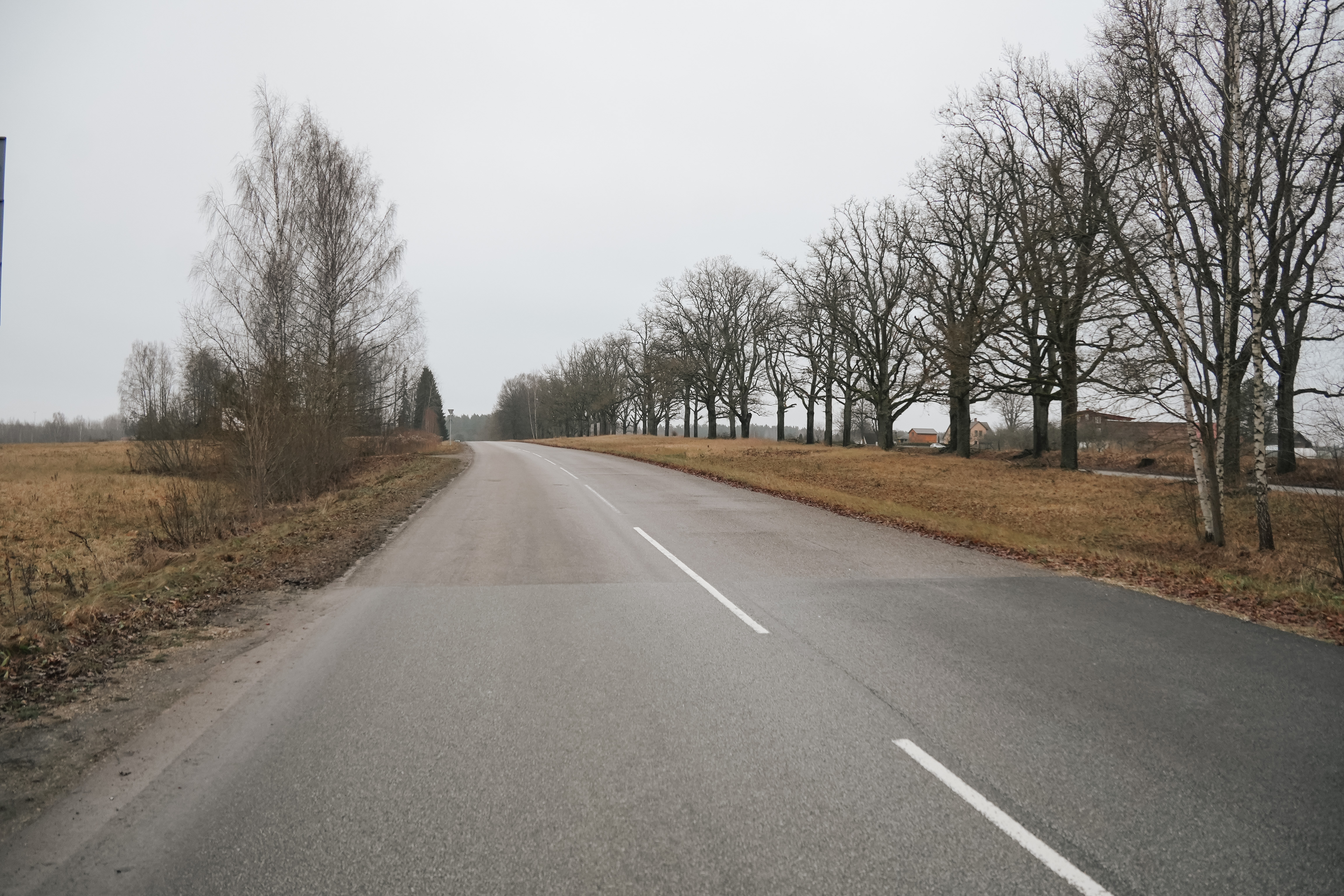
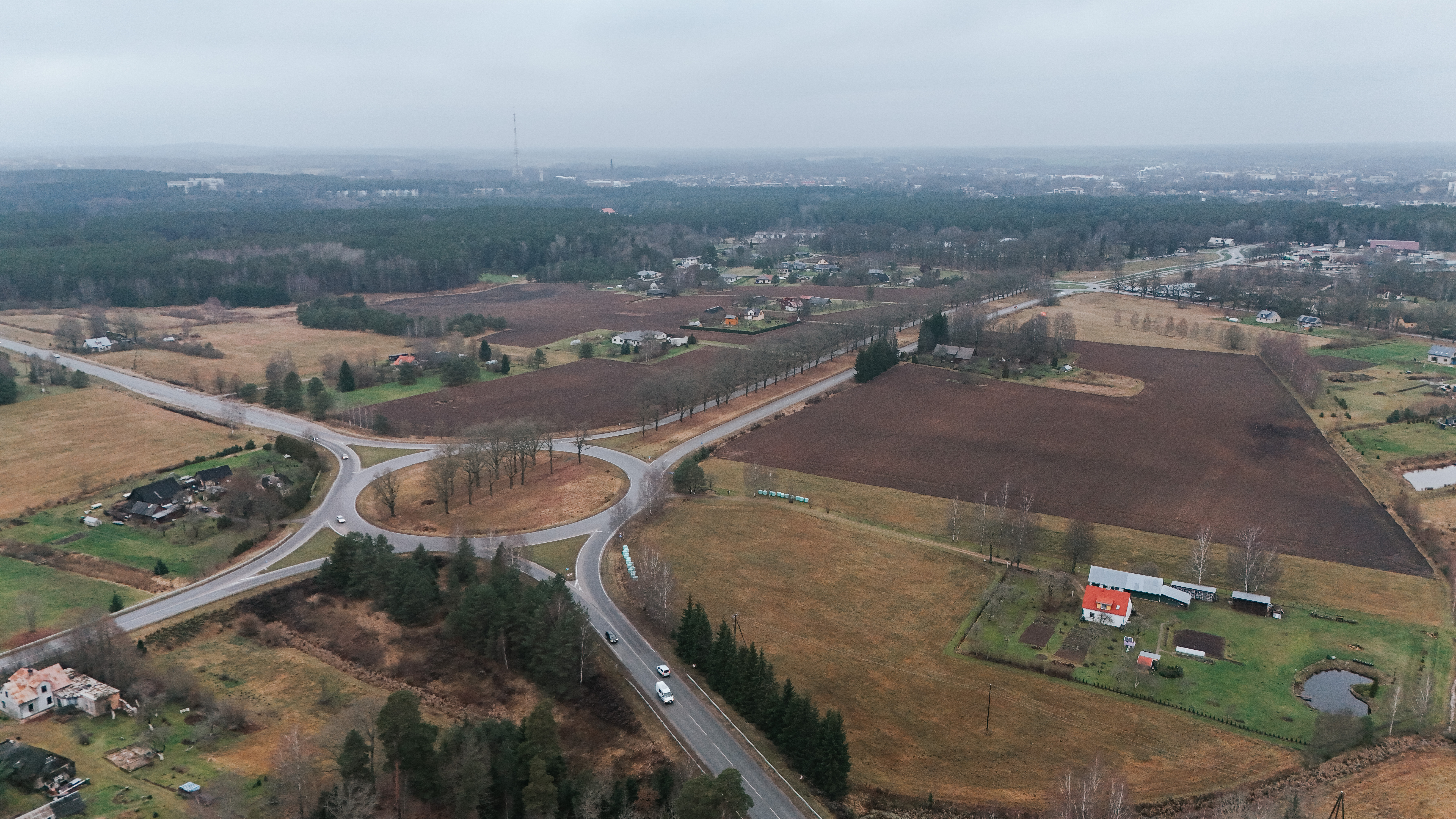
Financial savings generated during the implementation of the project will be redirected to the improvement of roads near the park and the construction of illuminated infrastructure for pedestrians and cyclists. The roads connecting the park with Valmiera, which are currently in poor technical condition, will be renovated: the P20 Valmiera–Cēsis–Drabeši road will be resurfaced with asphalt concrete, while the V184 Dumbrāji–Zeiboti road will be completely rebuilt, with the load-bearing structure of the asphalt concrete pavement being rebuilt in accordance with the projected freight traffic intensity and development of the area. Construction work is scheduled to begin in the near future and be completed by the summer of 2026.
The infrastructure works are being carried out with co-financing from the Next Generation EU of EUR 20 million under project No 3.1.1.i.0/1/23/A/CFLA/008 ” Development of Valmiera Industrial Park” (Phase 2 development, 57 ha). According to the tender results and contracts, the construction works in Valmiera Industrial Park are carried out by the following construction companies: the Association of Suppliers “ACB8” (AS “A.C.B” and “8 CBR” Ltd), “Limbažu ceļi” Ltd and the Association of Suppliers “VIP ACB&R” (AS “A.C.B” and “ACBR” Ltd). Valmiera Municipality Government is constructing the engineering networks together with the project partner “Valmieras ūdens” Ltd, which will provide water management services in the park area. The access road renovation/reconstruction works will be carried out by “Limbažu ceļi” Ltd., the association of persons “UGR” and “Imberteh” Ltd. in accordance with the procurement results and contracts. The construction of the electricity infrastructure will be carried out by AS “Sadales tīkls”.The total budget of the project is EUR 23,548,699.52.
In the development planning documents of Valmiera Municipality Government, the municipality has defined a strategic goal – wider industrialisation by 2038, promoting the creation of jobs with high added value and export-oriented jobs, as well as reducing regional development disparities between the Riga region and the rest of Latvia. In order to achieve this goal, and focusing on the overall development of the new Valmiera Industrial Park, the technical layout envisages attracting up to five strategic investors (102.54 ha), while creating a cluster approach between potential regional and municipal businesses in the area. It should be mentioned that as a result of the public auction, on 27 August 2024, a contract for the development of the 26 ha land unit in Phase 2 of the Valmiera Industrial Park was concluded with “Fibenol Latvia” Ltd, which will start construction of the biorefinery in 2027 if the environmental impact studies and feasibility studies are successful. In April this year, a development right agreement was concluded with “PATA BOARD” Ltd for a 23.7 ha part of the site.
At the beginning of 2026, it is planned to announce repeat auctions for the lease of the Valmiera Industrial Park railway and loading/unloading (logistics) area and 12 ha of development land. Information about the auctions is available on the website www.investinvalmiera.eu.
The opening ceremony of Valmiera Industrial Park will take place after all the activities planned in the project have been implemented.